


How can panoramic sliding system windows achieve unobstructed views while simultaneously providing top-tier sound and heat insulation?
Release Time : 2025-11-28
In the pursuit of both contemporary architectural aesthetics and residential comfort, panoramic sliding system windows have become an ideal medium connecting the interior with nature. They blur spatial boundaries with a transparent visual experience, making one feel as if immersed in the landscape. However, the true test of their value lies not only in the "visible" expansiveness, but also in the "inaudible" and "imperceptible" sound and heat – that is, how to maximize natural light and views while effectively isolating external noise and temperature disturbances. Surprisingly, modern high-end panoramic sliding system windows have successfully solved this seemingly contradictory problem through a series of ingenious structural and material innovations.
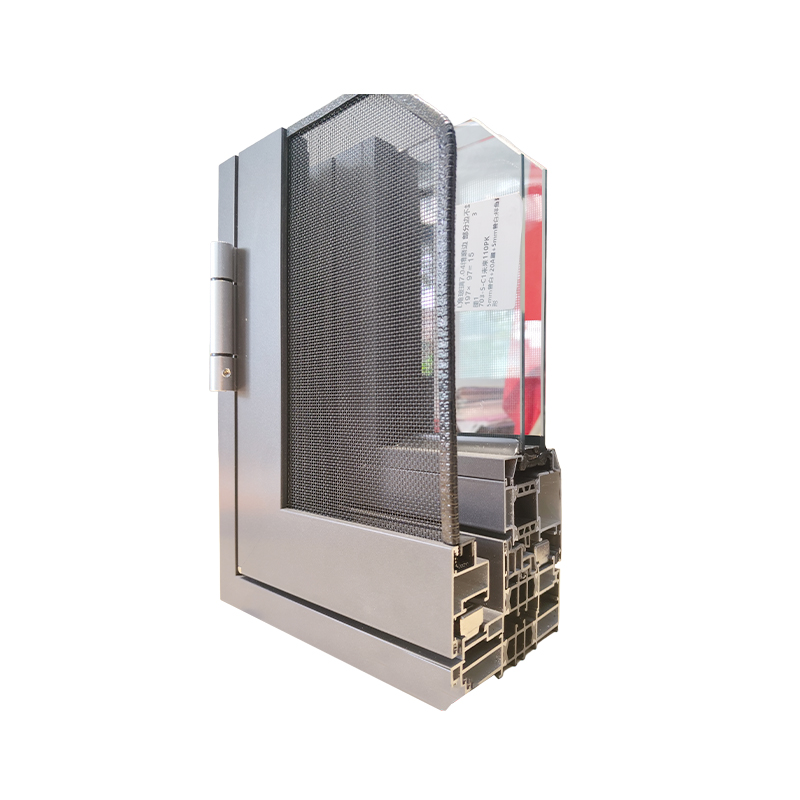
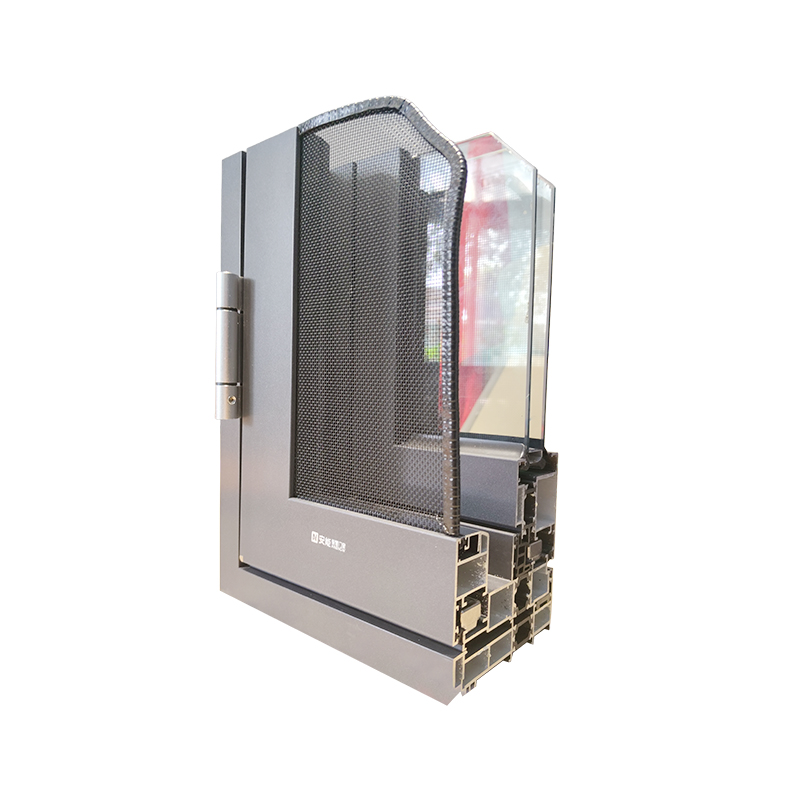
First, the key to achieving top-tier sound and heat insulation lies in the deep optimization of the glass system. Panoramic windows generally use a double-glazed tempered glass structure, with a sealed cavity formed between two pieces of high-transmittance glass, filled with dry inert gas or maintained in a high-vacuum state. This design not only significantly reduces the medium path for sound propagation but also significantly reduces heat conduction efficiency. Furthermore, the glass edges utilize integrated, curved, high-performance aluminum strips instead of traditional right-angle joints, eliminating weak points caused by thermal bridging and creating a continuous, uniform thermal barrier. Even amidst bustling traffic and fluctuating temperatures outside, the interior remains quiet and at a constant temperature.
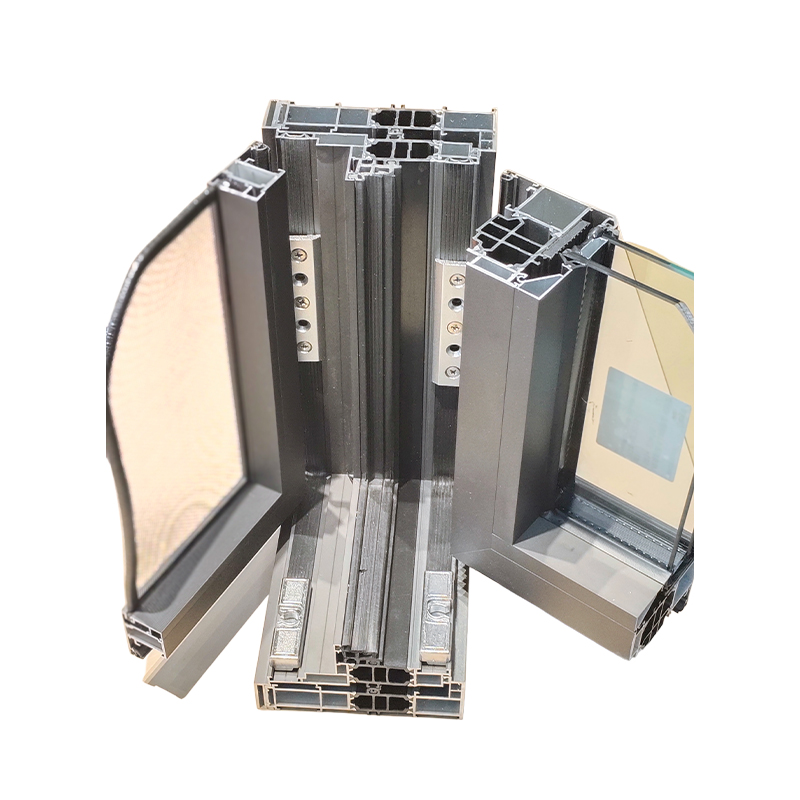
Secondly, the structural design of the window frame and sash is equally crucial. Traditional sliding windows often suffer from sound and air leaks due to track height differences or poor sealing. High-end panoramic sliding system windows employ a flush design, placing the sash and frame on the same plane, resulting in a cleaner, more streamlined look and reducing airflow and gaps. Combined with integrated pressure-equalizing adhesive strips manufactured using a vulcanized welding process, the window automatically forms multiple continuous sealing lines when closed. These sealing strips are not simply glued together; they dynamically adjust contact pressure based on the principle of air pressure balance, maintaining a tight seal regardless of strong winds or temperature differences, effectively blocking noise intrusion and heat exchange.
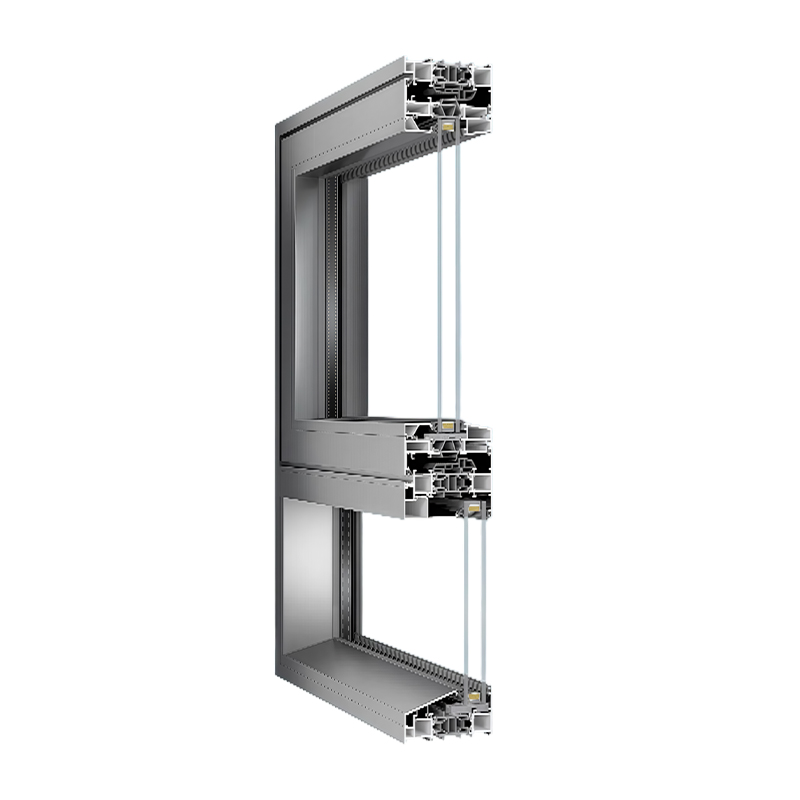
It is worth mentioning that the thermal insulation materials used in the window frame have also been carefully selected. The multi-cavity thermal insulation strip is embedded within the metal frame. Its complex cross-section, like a maze, slows down heat transfer while enhancing overall rigidity. Combined with highly stable metal materials such as 304 stainless steel, the window frame maintains dimensional stability even under prolonged sun and rain exposure, preventing deformation and sealing failure. This "flexible inside, rigid outside" composite structure ensures both mechanical strength and creates an efficient thermal and acoustic barrier.
First, the key to achieving top-tier sound and heat insulation lies in the deep optimization of the glass system. Panoramic windows generally use a double-glazed tempered glass structure, with a sealed cavity formed between two pieces of high-transmittance glass, filled with dry inert gas or maintained in a high-vacuum state. This design not only significantly reduces the medium path for sound propagation but also significantly reduces heat conduction efficiency. Furthermore, the glass edges utilize integrated, curved, high-performance aluminum strips instead of traditional right-angle joints, eliminating weak points caused by thermal bridging and creating a continuous, uniform thermal barrier. Even amidst bustling traffic and fluctuating temperatures outside, the interior remains quiet and at a constant temperature.
Secondly, the structural design of the window frame and sash is equally crucial. Traditional sliding windows often suffer from sound and air leaks due to track height differences or poor sealing. High-end panoramic sliding system windows employ a flush design, placing the sash and frame on the same plane, resulting in a cleaner, more streamlined look and reducing airflow and gaps. Combined with integrated pressure-equalizing adhesive strips manufactured using a vulcanized welding process, the window automatically forms multiple continuous sealing lines when closed. These sealing strips are not simply glued together; they dynamically adjust contact pressure based on the principle of air pressure balance, maintaining a tight seal regardless of strong winds or temperature differences, effectively blocking noise intrusion and heat exchange.
It is worth mentioning that the thermal insulation materials used in the window frame have also been carefully selected. The multi-cavity thermal insulation strip is embedded within the metal frame. Its complex cross-section, like a maze, slows down heat transfer while enhancing overall rigidity. Combined with highly stable metal materials such as 304 stainless steel, the window frame maintains dimensional stability even under prolonged sun and rain exposure, preventing deformation and sealing failure. This "flexible inside, rigid outside" composite structure ensures both mechanical strength and creates an efficient thermal and acoustic barrier.
Furthermore, meticulous attention to detail is evident. The panoramic sliding system window uses ultra-fine, high-elastic mesh fabric at the screen seams, making it almost invisible yet highly breathable, achieving ventilation and insect prevention without obstructing the view. The floor drain system features intelligent opening and closing, automatically draining water during rain and sealing tightly on sunny days to prevent backflow of wind and rain. These seemingly minor design elements collectively support a comfortable microenvironment in all weather and seasons.
Ultimately, the panoramic sliding system window's remarkable balance between "transparency" and "insulation" is not achieved through the accumulation of single technologies, but through system-level collaboration from glass, profiles, sealing to hardware accessories. It allows light to enter freely while keeping noise and temperature at bay; it opens up the view without sacrificing privacy and tranquility. This is not only an advancement in building envelope technology, but also an elegant response to the modern ideal of living—"coexisting with nature undisturbed."