


How does the glass configuration of a broken bridge casement window affect its sound insulation performance?
Release Time : 2025-11-18
Broken bridge casement windows, a common type of door and window in modern architecture, are widely favored for their excellent performance and diverse designs. Among these, the glass configuration plays a crucial role in the sound insulation of broken bridge casement windows; different glass combinations and characteristics significantly affect the quietness of the indoor environment.
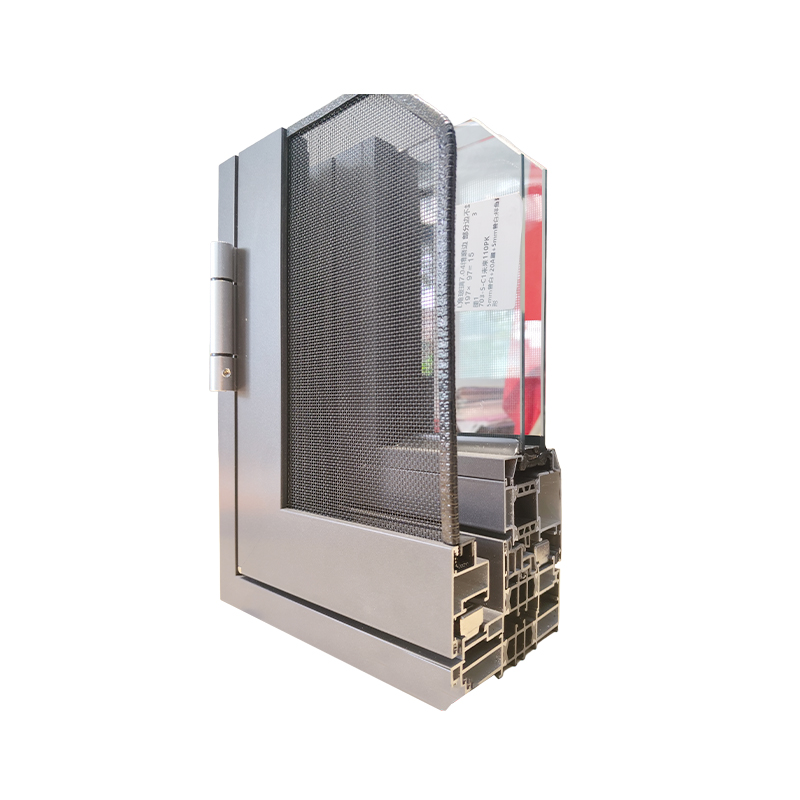
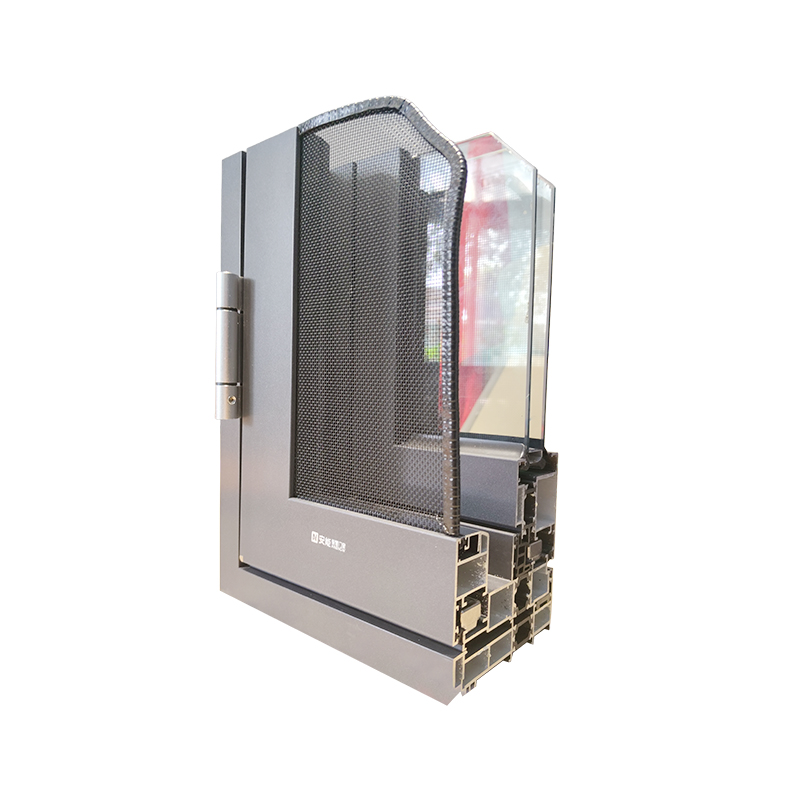
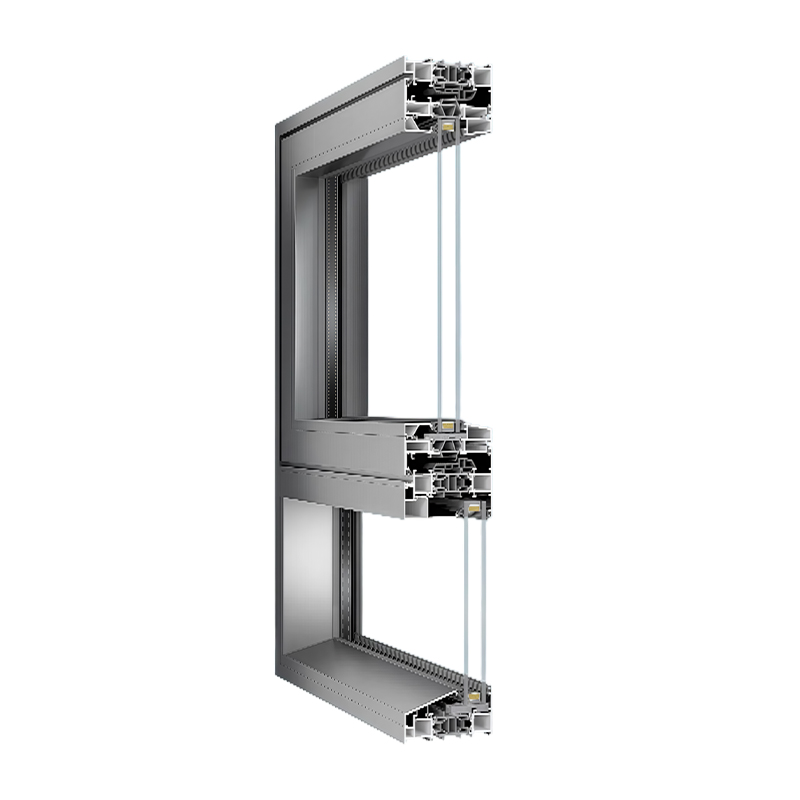
The type of glass in a broken bridge casement window is a fundamental factor affecting its sound insulation performance. Common glass types include ordinary flat glass, insulated glass, and laminated glass. Ordinary flat glass has a simple structure but relatively weak sound insulation performance, making it difficult to effectively block sound transmission when faced with significant external noise. Insulated glass, on the other hand, consists of two or more panes of glass sealed with a spacer to form an air layer in between. This air layer provides excellent buffering and sound insulation. When sound reaches insulated glass, some of the sound is reflected and absorbed in the air layer, reducing the intensity of the sound entering the room. Laminated glass, with an organic polymer interlayer sandwiched between two panes of glass, allows the interlayer to absorb and dissipate some sound energy during propagation, further enhancing the sound insulation effect. Therefore, choosing the appropriate type of glass is the first step in improving the sound insulation performance of broken bridge casement windows. The thickness of the glass also significantly affects the sound insulation of broken bridge casement windows. Generally, the thicker the glass, the greater its mass, and the stronger its sound-blocking ability. Thicker glass can impede sound wave vibrations more effectively, thus reducing sound transmission. However, simply increasing the thickness of a single pane of glass, while improving sound insulation, also brings drawbacks, such as increasing the overall weight of the window, placing higher demands on the load-bearing capacity of the window frame, and potentially affecting the window's opening flexibility. Therefore, in practical applications, a combination of glass of different thicknesses is usually used to ensure good sound insulation while also considering other functional aspects of the window.
The thickness of the air gap in insulated glass is also a crucial factor. As an important part of the sound insulation of insulated glass, the thickness of the air gap affects the sound insulation effect. A wider air gap provides more space for sound to reflect and attenuate, thus enhancing sound insulation. However, if the air gap is too wide, internal stress may be generated between the glass panes due to the expansion and contraction of air during temperature changes, affecting the stability and safety of the glass. Therefore, it is necessary to choose the appropriate air gap thickness to ensure both sound insulation and structural stability of the broken bridge casement window.
The material and thickness of the interlayer in the laminated glass also affect sound insulation. Different interlayer materials have varying abilities to absorb and block sound, with some high-performance interlayers offering better sound insulation properties. Increasing the thickness of the interlayer can also improve sound insulation to some extent, but an excessively thick interlayer may affect the transparency and optical properties of the glass. Therefore, when selecting laminated glass, it is necessary to comprehensively consider sound insulation requirements and other glass properties.
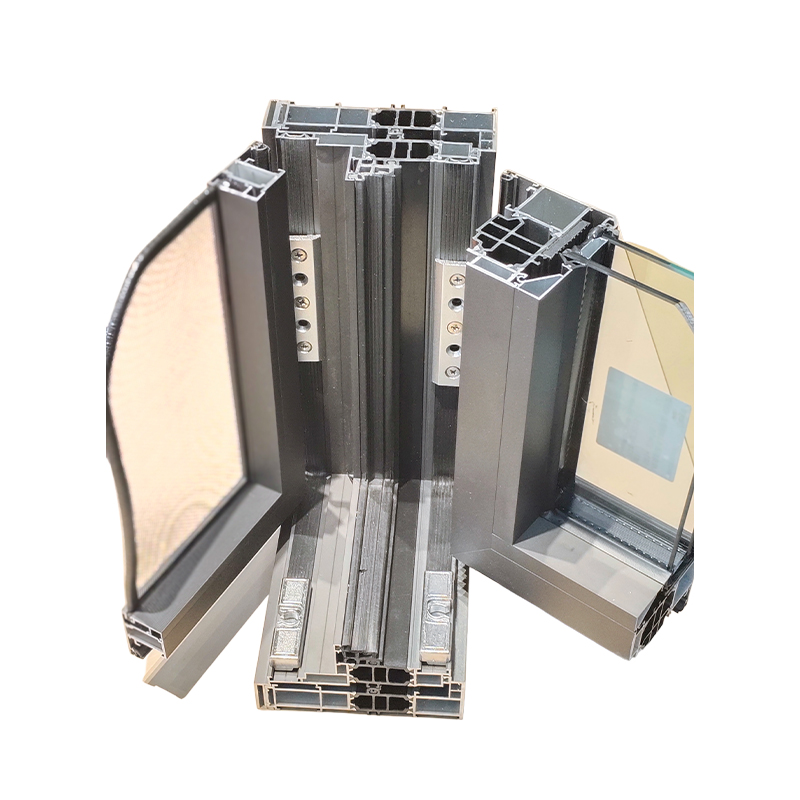
Furthermore, the glass installation process of broken bridge casement windows cannot be ignored. If the seal between the glass and the window frame is not tight, sound will enter the room through the gaps, significantly reducing the sound insulation effect. Therefore, during installation, high-quality sealing materials must be used to ensure a tight fit between the glass and the window frame, forming a good sealing barrier to prevent sound leakage.
The glass configuration of broken bridge casement windows has a multi-dimensional impact on sound insulation performance. From glass type and thickness to the air gap in insulated glass, the interlayer film in laminated glass, and the installation process, every step is interconnected and influences each other. Only by comprehensively considering these factors and rationally selecting and configuring the glass can a broken bridge casement window with excellent sound insulation be created, providing people with a quiet and comfortable indoor environment.