


Why are high-end residences and landmark buildings increasingly favoring ceramic electrophoretic coating casement windows?
Release Time : 2025-12-02
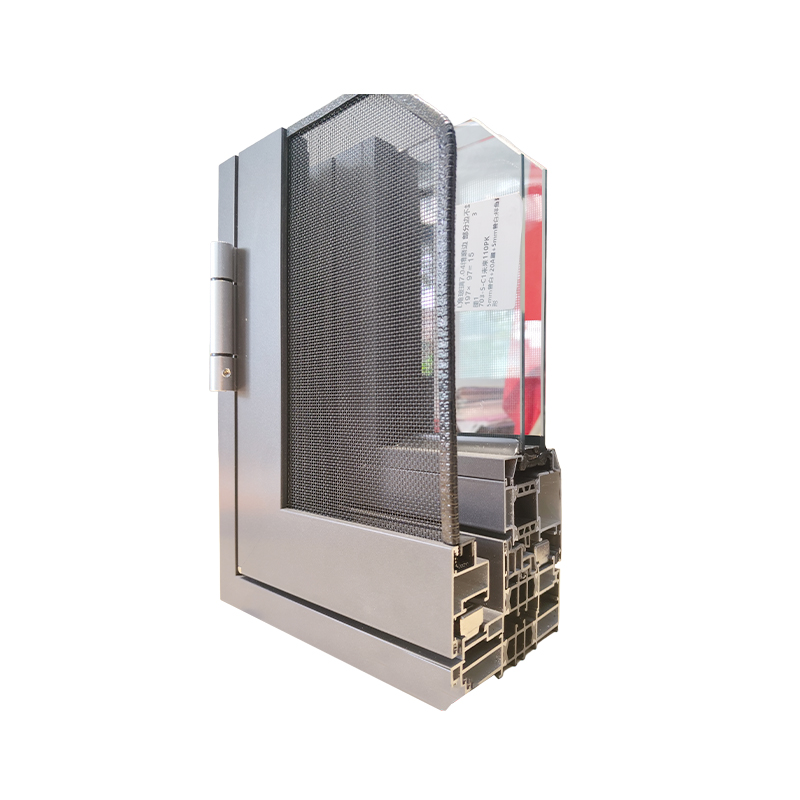
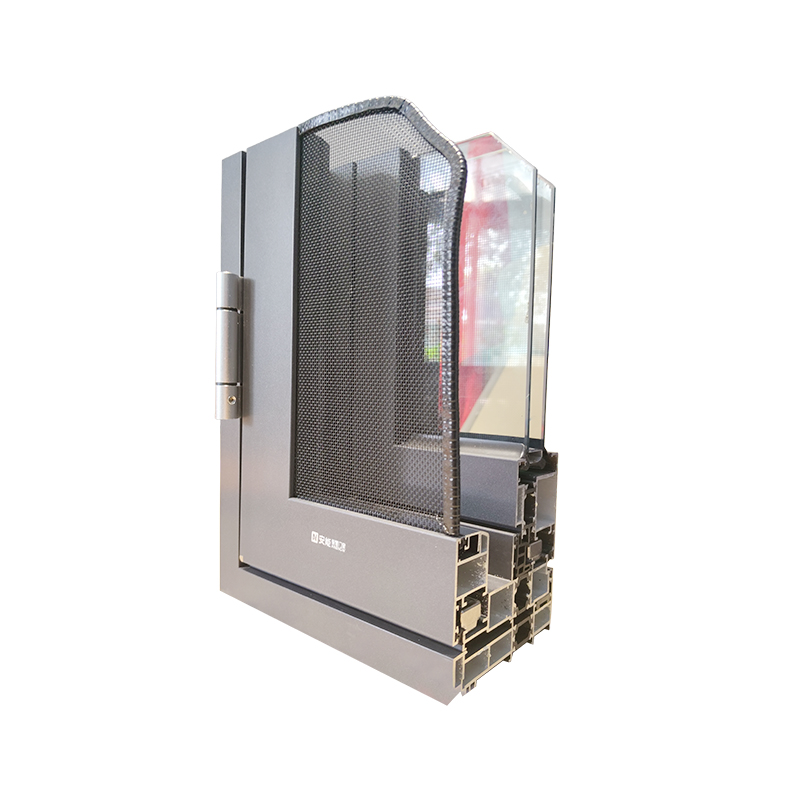
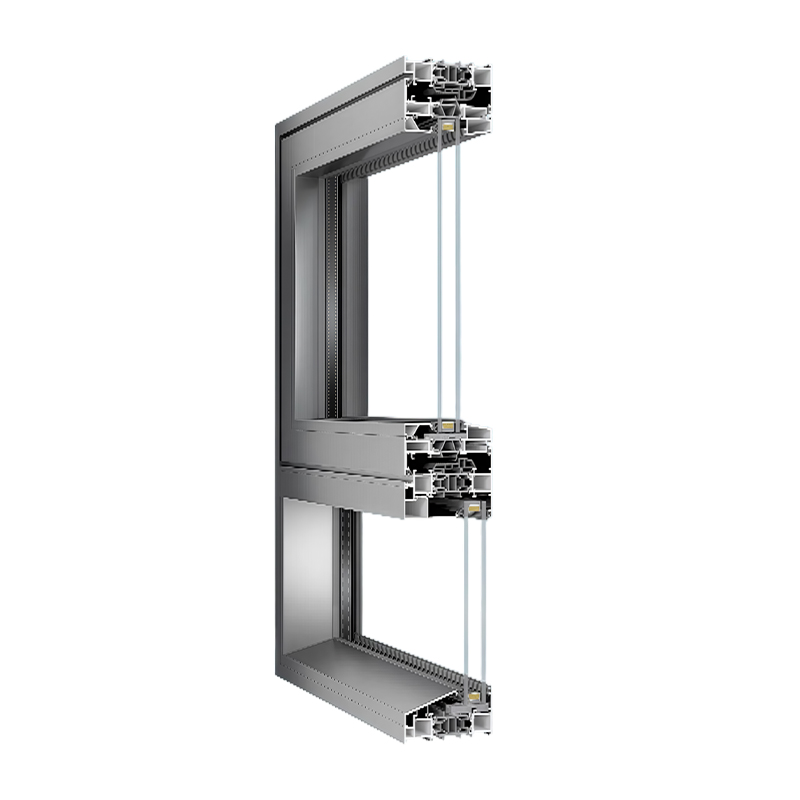
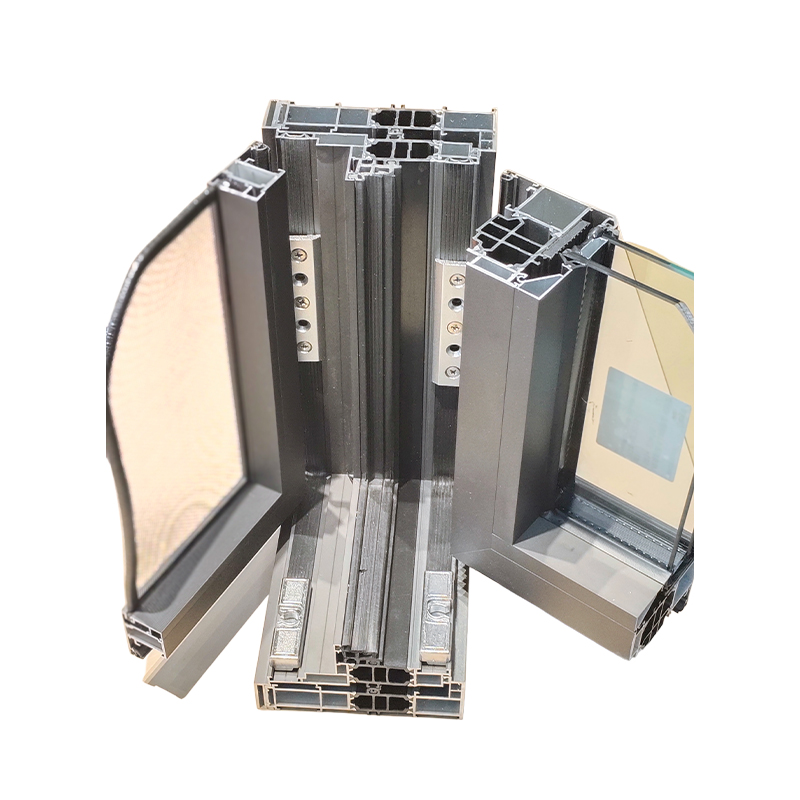
In the context of the growing integration of contemporary architectural aesthetics and functional needs, doors and windows have long transcended their basic role of "providing shelter from wind and rain," becoming an important expression of architectural facade language. Especially in high-end residential, urban landmark, and boutique commercial projects, ceramic electrophoretic coating casement windows not only need to possess superior airtightness, watertightness, and thermal insulation performance, but also need to maintain a timeless, pristine appearance over time. This is why ceramic electrophoretic coating casement windows are rapidly gaining favor with architects, developers, and owners—redefining the long-term value of aluminum windows with their near-invisible durability and understated luxurious surface finish.
The core appeal of ceramic electrophoretic coating lies in its ingenious combination of the stability of ceramic materials and the uniformity of electrophoretic coating. Unlike traditional spraying that relies on surface adhesion, the electrophoretic process allows charged paint particles to actively penetrate every micropore and corner of the aluminum profile under the influence of an electric field, forming a dense, continuous, and seamless protective film. The introduction of ceramic components further enhances the molecular cross-linking density of the coating, making its structure exceptionally robust. This inherent density effectively blocks the intrusion of moisture, salt, acid rain, and industrial pollutants, protecting the aluminum substrate from corrosion and white rust even in high-humidity coastal areas with high salt spray or in frigid northern regions.
Even more commendable is the ceramic electrophoretic coating casement window's ability to resist the ravages of time. Ultraviolet rays from sunlight are the "enemy" of most organic coatings, easily leading to chalking, fading, and loss of gloss with prolonged exposure. However, due to its inorganic-organic composite properties, the ceramic electrophoretic coating possesses natural resistance to ultraviolet rays. Whether it's dark gray, champagne gold, or classic black, the color remains rich and stable after many years, with a soft and restrained luster, without showing signs of fading or "worn-out" appearance. This "timeless" quality perfectly aligns with the stringent requirements of high-end architecture for long-term aesthetic consistency—a landmark building should not lose its original design intent due to fading windows, and a villa window should not appear outdated after five years.
Meanwhile, ceramic electrophoretic coating gives window frames a unique textural language. Its surface is as delicate as glaze, with a warm touch, and can present a variety of effects from high-gloss to matte, from solid colors to brushed metal, without being ostentatious or dazzling. This understated sophistication can blend seamlessly with the clean lines of modern minimalism and coexist harmoniously with diverse building materials such as stone, glass, and wood, becoming a silent commentary on the overall architectural character. Designers don't need to worry about color deviations or batch variations, as the electrophoretic process itself has extremely high repeatability, ensuring a unified color tone and visual continuity for the windows throughout the building.
Environmental protection and sustainability are also reasons why it is valued in high-end projects. The ceramic electrophoretic process is entirely water-based, releasing almost no harmful volatile organic compounds. The production process is clean and efficient, meeting the environmental requirements of green building certification. Furthermore, the ultra-long service life of ceramic electrophoretic coating window frames means less renovation, replacement, and resource consumption, practicing sustainability from a life-cycle perspective.
Ultimately, the choice of ceramic electrophoretic coating casement windows for high-end residences and landmark buildings is not a pursuit of fleeting trends, but rather a rational judgment based on "long-term value." It uses technology to safeguard aesthetics and silently withstands the elements, consistently reflecting the building's original elegant silhouette through the daily cycle of dawn and dusk. When a window can accompany a building for ten or twenty years without showing signs of wear, it is no longer just a component, but a friend of time—this is precisely the quality most cherished in high-end construction.
The core appeal of ceramic electrophoretic coating lies in its ingenious combination of the stability of ceramic materials and the uniformity of electrophoretic coating. Unlike traditional spraying that relies on surface adhesion, the electrophoretic process allows charged paint particles to actively penetrate every micropore and corner of the aluminum profile under the influence of an electric field, forming a dense, continuous, and seamless protective film. The introduction of ceramic components further enhances the molecular cross-linking density of the coating, making its structure exceptionally robust. This inherent density effectively blocks the intrusion of moisture, salt, acid rain, and industrial pollutants, protecting the aluminum substrate from corrosion and white rust even in high-humidity coastal areas with high salt spray or in frigid northern regions.
Even more commendable is the ceramic electrophoretic coating casement window's ability to resist the ravages of time. Ultraviolet rays from sunlight are the "enemy" of most organic coatings, easily leading to chalking, fading, and loss of gloss with prolonged exposure. However, due to its inorganic-organic composite properties, the ceramic electrophoretic coating possesses natural resistance to ultraviolet rays. Whether it's dark gray, champagne gold, or classic black, the color remains rich and stable after many years, with a soft and restrained luster, without showing signs of fading or "worn-out" appearance. This "timeless" quality perfectly aligns with the stringent requirements of high-end architecture for long-term aesthetic consistency—a landmark building should not lose its original design intent due to fading windows, and a villa window should not appear outdated after five years.
Meanwhile, ceramic electrophoretic coating gives window frames a unique textural language. Its surface is as delicate as glaze, with a warm touch, and can present a variety of effects from high-gloss to matte, from solid colors to brushed metal, without being ostentatious or dazzling. This understated sophistication can blend seamlessly with the clean lines of modern minimalism and coexist harmoniously with diverse building materials such as stone, glass, and wood, becoming a silent commentary on the overall architectural character. Designers don't need to worry about color deviations or batch variations, as the electrophoretic process itself has extremely high repeatability, ensuring a unified color tone and visual continuity for the windows throughout the building.
Environmental protection and sustainability are also reasons why it is valued in high-end projects. The ceramic electrophoretic process is entirely water-based, releasing almost no harmful volatile organic compounds. The production process is clean and efficient, meeting the environmental requirements of green building certification. Furthermore, the ultra-long service life of ceramic electrophoretic coating window frames means less renovation, replacement, and resource consumption, practicing sustainability from a life-cycle perspective.
Ultimately, the choice of ceramic electrophoretic coating casement windows for high-end residences and landmark buildings is not a pursuit of fleeting trends, but rather a rational judgment based on "long-term value." It uses technology to safeguard aesthetics and silently withstands the elements, consistently reflecting the building's original elegant silhouette through the daily cycle of dawn and dusk. When a window can accompany a building for ten or twenty years without showing signs of wear, it is no longer just a component, but a friend of time—this is precisely the quality most cherished in high-end construction.