


How can the gloss of a ceramic electrophoretic coating casement window be maintained over long-term use?
Release Time : 2025-12-12
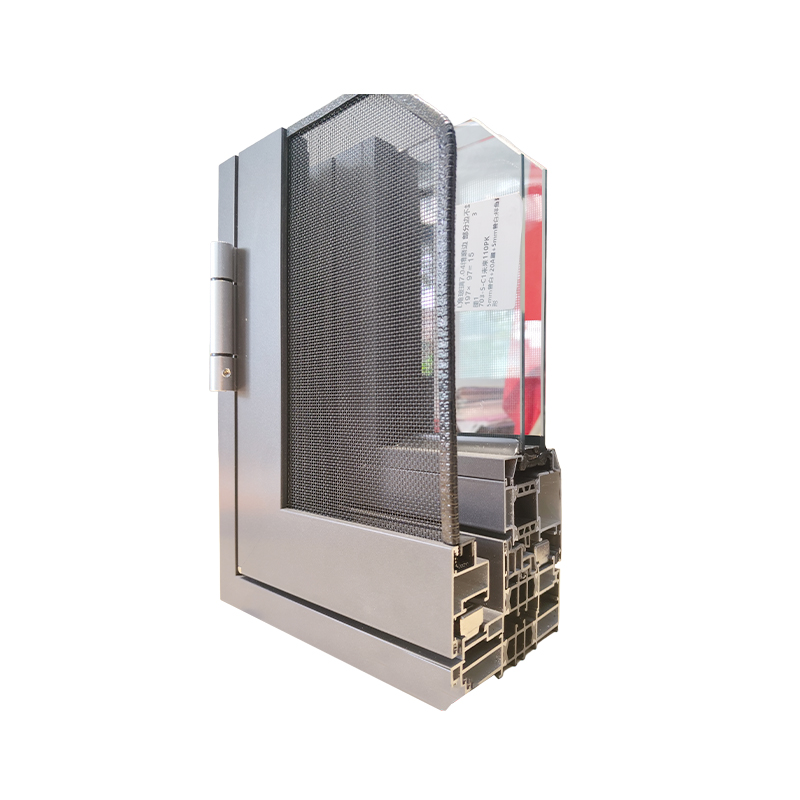
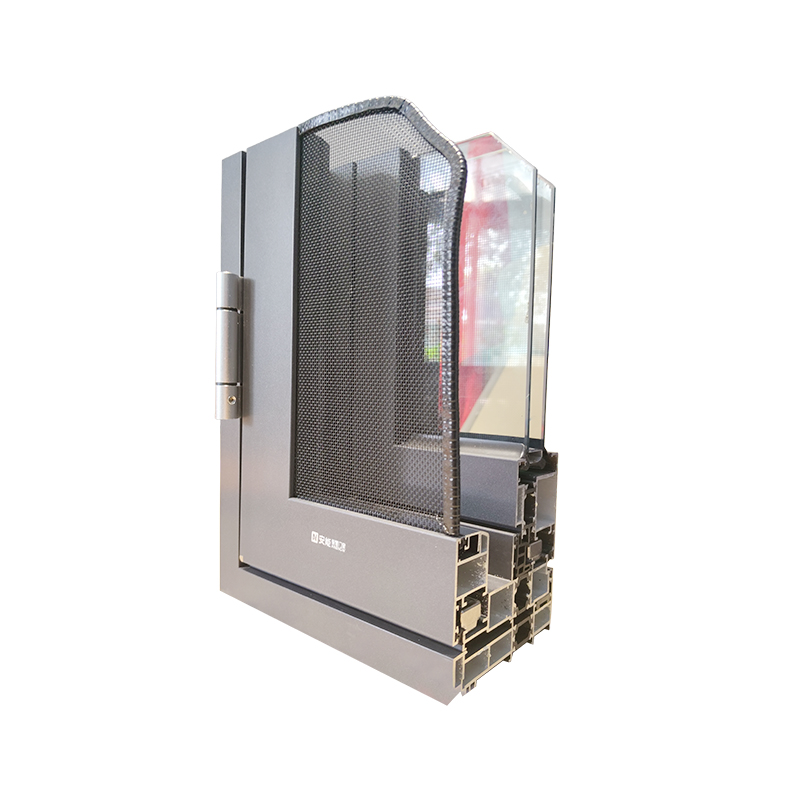
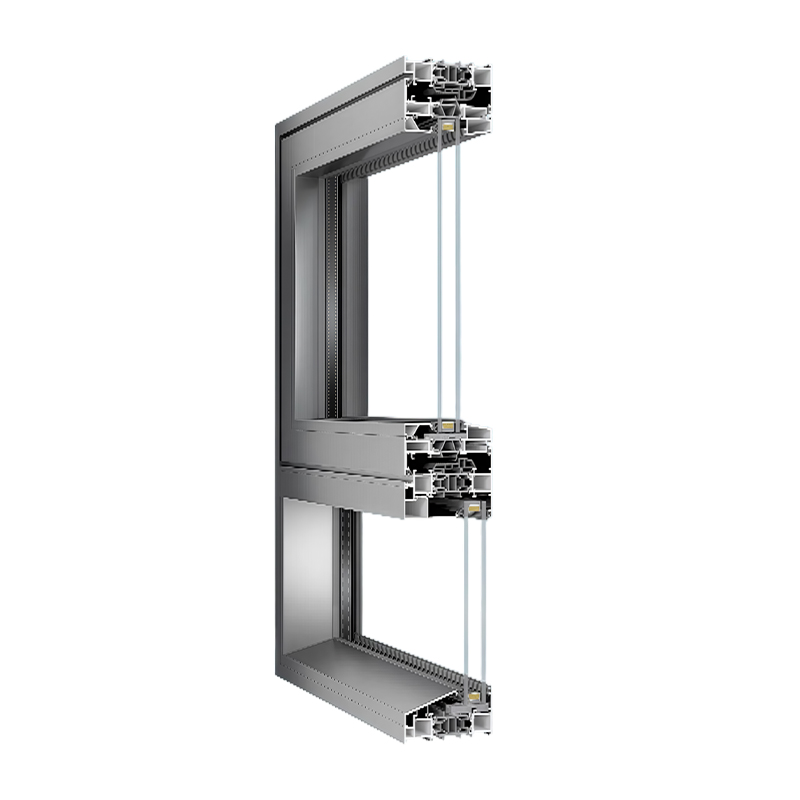
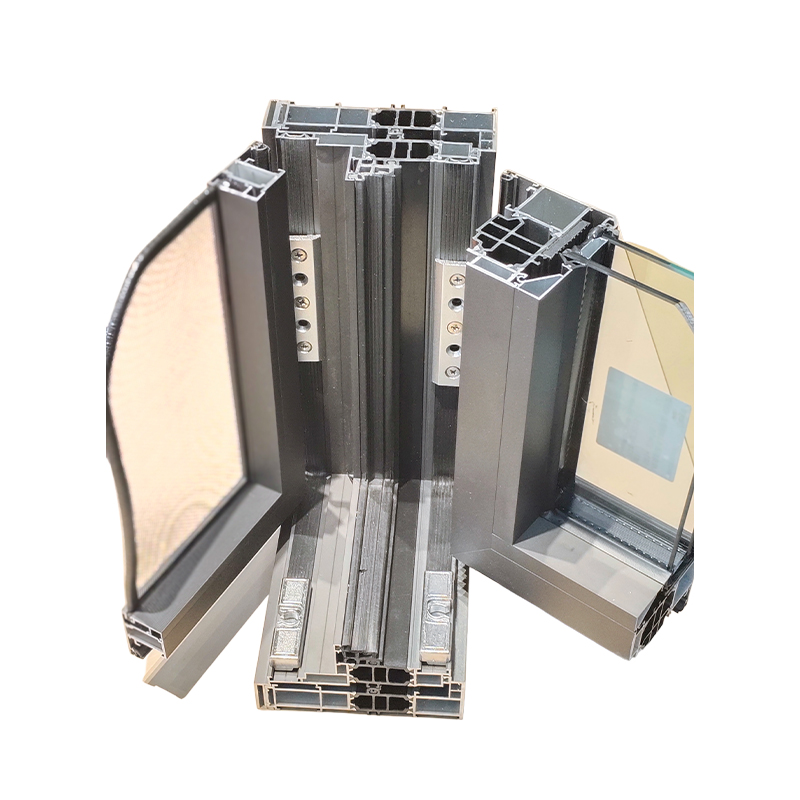
Ceramic electrophoretic coating casement windows, with their excellent weather resistance and decorative properties, have become a popular choice in modern architecture, balancing aesthetics and practicality. However, long-term exposure to ultraviolet radiation, temperature fluctuations, and environmental pollutants can gradually diminish the coating's gloss. Maintaining its lasting shine requires a systematic protection plan encompassing seven dimensions: process control, daily maintenance, environmental management, cleaning and upkeep, regular inspection, repair treatment, and material selection.
Process control is fundamental to maintaining gloss. During electrophoretic coating, the stability of the bath parameters directly affects the coating quality. For example, pigments and emulsions must be mixed in strict proportions; excessive emulsion will increase gloss, and vice versa. Poor bath circulation can lead to pigment sedimentation, causing an imbalance in the pigment-to-binder ratio, which in turn leads to loss of gloss. Furthermore, electrophoretic voltage, time, and film thickness must be precisely matched: too low a voltage or insufficient time will result in an incomplete film, while too high a voltage may cause a rough coating. The baking process is equally critical; excessively high temperatures or prolonged baking times will damage the coating's molecular structure, leading to decreased gloss, while insufficient temperatures may result in incomplete curing, affecting durability.
Routine maintenance should avoid physical damage. Frequent opening and closing of ceramic electrophoretic coating casement windows can scratch the coating surface with hard objects such as metal locks and handles. It is recommended to install rubber corner protectors on the window frame edges to reduce impact; when moving furniture or heavy objects, avoid direct contact with the window to prevent scratches. For minor scratches, a touch-up pen of the same color as the coating can be used for local repair to restore surface smoothness.
Environmental management can slow down photodegradation. Ultraviolet (UV) radiation is the main cause of coating aging; its short-wave energy can cause polymer chain breakage, forming a chalking layer. In areas with strong UV radiation, install sunshades or blinds to reduce direct sunlight exposure. If possible, choose electrophoretic paint containing benzotriazole UV absorbers; these additives can reduce light damage by 70% and significantly extend the lifespan of the coating. Furthermore, pollutants such as sulfides and nitrogen oxides in industrial air can accelerate coating corrosion; doors and windows should be closed regularly to reduce exposure to harmful gases.
Cleaning and maintenance should follow scientific methods. Dust buildup can attract moisture, creating a corrosive microenvironment. It is recommended to remove surface dust weekly with a soft-bristled brush or vacuum cleaner. For stubborn stains, use a neutral detergent diluted with water at a 1:50 ratio to wipe the surface. Avoid using acidic or alkaline cleaners to prevent chemical damage to the coating. After cleaning, wipe dry with a clean cloth to prevent water residue from causing color differences. If oil stains appear on the coating surface, wipe locally with an alcohol swab, but rinse immediately with clean water.
Regular inspections can detect potential problems early. Inspect window frame seams, around ceramic electrophoretic coating casement window locks, and drainage holes—areas prone to water accumulation—every six months for signs of blistering, peeling, or rust. In rainy areas, pay special attention to the drainage system to prevent water seepage and corrosion of the substrate. If decreased coating adhesion is observed, a cross-cut test can be used: use a blade to cut a 1mm x 1mm grid on the coating surface and observe for peeling. If more than 15% of the coating within the grid is peeled off, repainting is necessary.
Repair treatment should be tailored to the degree of aging. Mild loss of gloss can be restored through polishing: first, sand the surface with 800-grit sandpaper, then refine with 1200-grit sandpaper, and finally use a polishing machine with abrasive compound to restore over 80% of the gloss. If the coating has extensive peeling or chalking, the old coating must be completely removed down to the substrate, and a new electrophoretic coating applied: first, remove oil stains with a degreaser, then treat the surface with a phosphating solution to form a chemical conversion film to enhance adhesion, and finally spray new paint according to standard procedures.
Material selection is crucial for long-term gloss. High-quality electrophoretic paints must possess high weather resistance. For example, coatings using an acrylic resin and polyurethane composite system have three times the UV resistance of ordinary electrophoretic paints. Inorganic pigments, such as iron oxide red and titanium dioxide, should be selected, as their chemical corrosion resistance is superior to organic pigments. In addition, the treatment of the substrate for ceramic electrophoretic coating casement windows is also crucial: aluminum alloy window frames need to undergo anodizing to form a dense oxide film, which enhances the adhesion of the coating; if steel substrates are used, hot-dip galvanizing is required to prevent rust from spreading to the coating.