


How do tilt-and-turn windows effectively prevent rainwater from seeping into the room while achieving natural ventilation?
Release Time : 2026-02-10
In modern architecture, where health, energy efficiency, and comfort are prioritized, natural ventilation has become a crucial means of improving indoor air quality and reducing air conditioning energy consumption. However, traditional window opening methods face the risk of water ingress during rainy weather, especially in coastal or rainy areas, where this contradiction is particularly pronounced. Tilt-and-turn windows, with their unique opening mechanism—a fixed top and inward-tilting bottom—cleverly balance ventilation needs with rainproof performance, making them a preferred window type for high-end residences, office buildings, and passive buildings.
1. Airflow Guidance: Utilizing a Dual Barrier of Negative Pressure and Gravity
When tilt-and-turn windows are open, the window sash and frame form a wedge-shaped gap, narrow at the top and wide at the bottom, typically with an opening angle of 10°–30°. This structure causes most of the external airflow to deflect upwards or outwards along the outer surface after impacting the window glass, with only a small amount of air entering the room through the gap. More importantly, rainwater falls vertically under gravity, and the sloping outer surface of the window sash forms a physical barrier, making it difficult for raindrops to pass directly through the gaps. Even in severe weather with strong winds and rain, high-speed airflow creates a localized negative pressure zone inside the window gaps, effectively "absorbing" rainwater onto the outer surface and guiding it down the glass instead of intruding into the room. This passive rainproofing mechanism based on fluid dynamics requires no additional energy and can effectively block more than 90% of rainwater even when ventilated.
2. Multi-layered Sealing System: Building a Robust Waterproof Defense
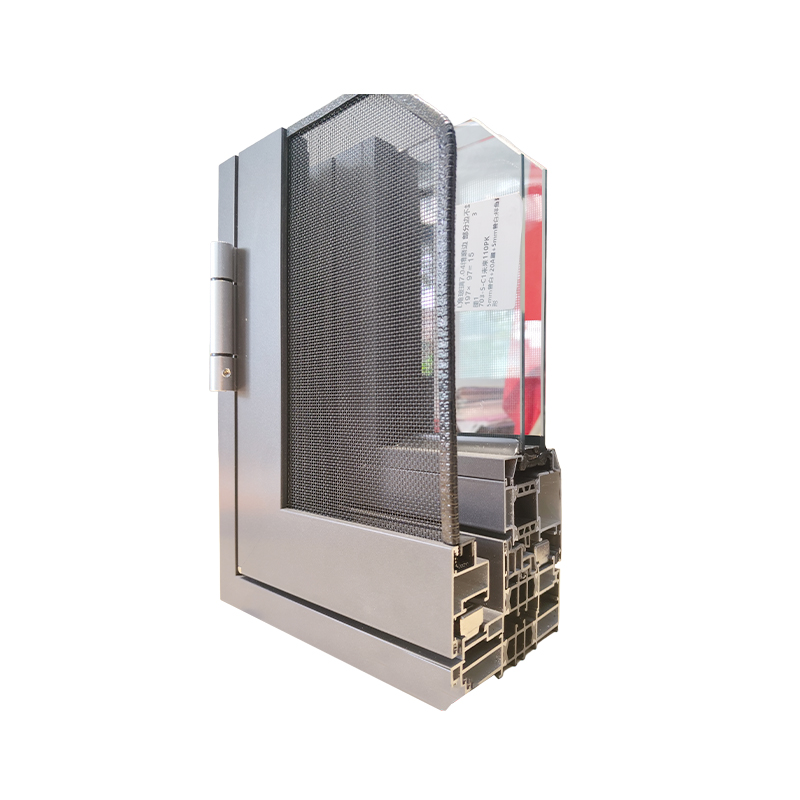
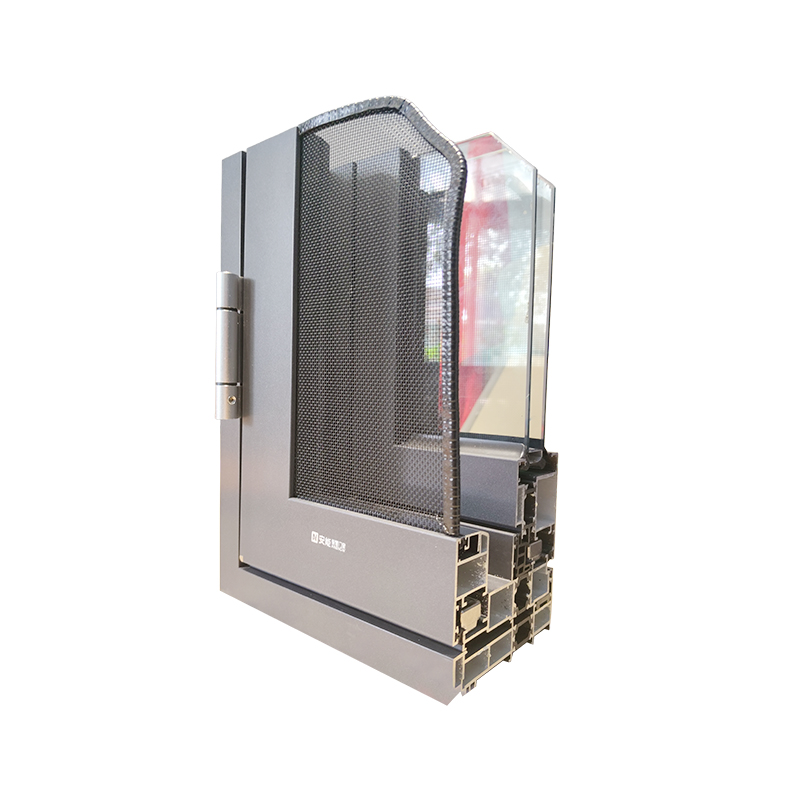
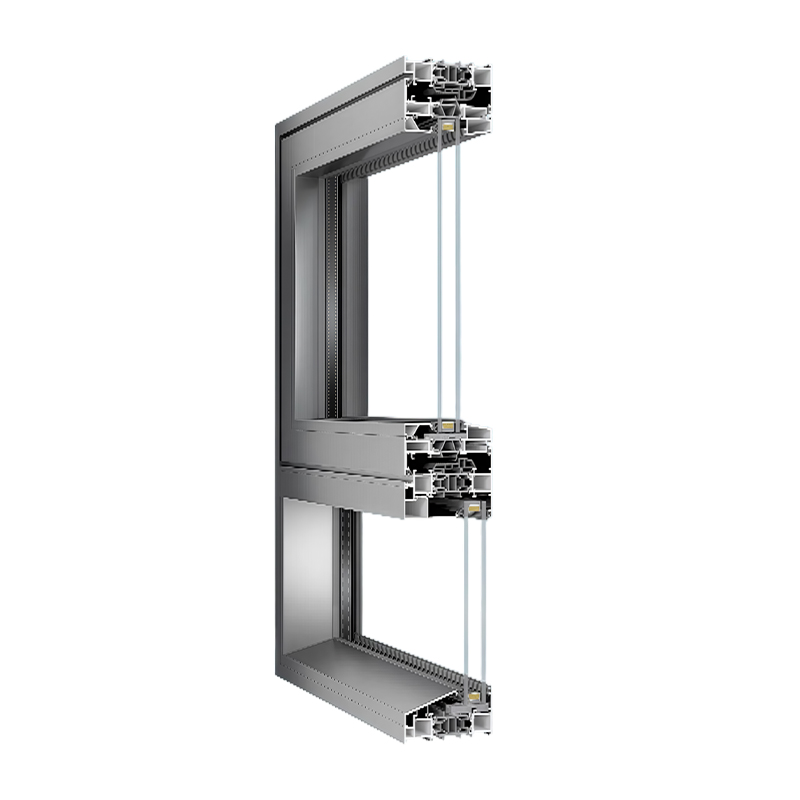
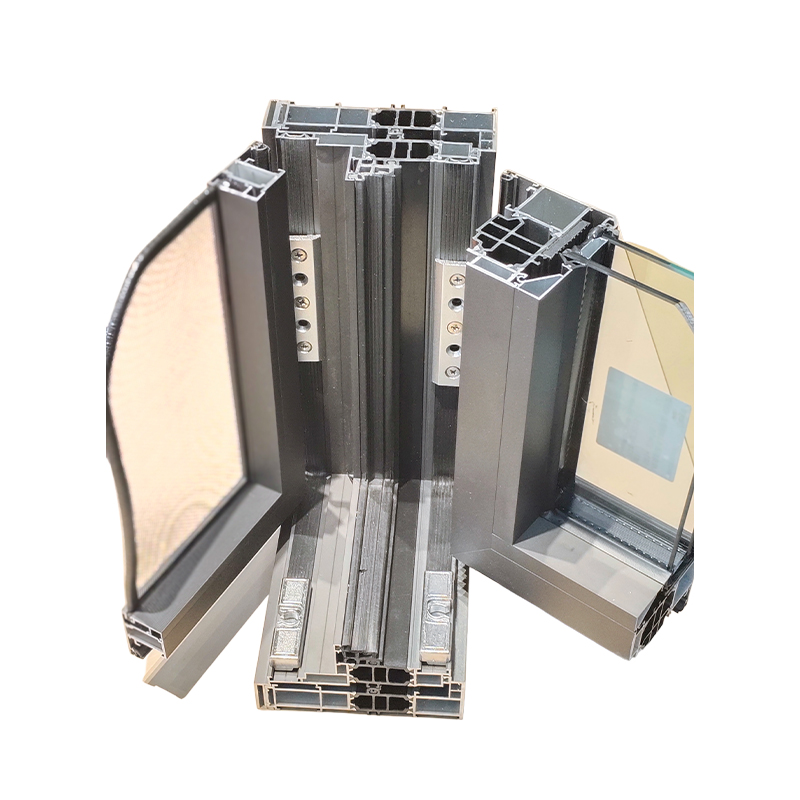
The rainproof capability of tilt-and-turn windows also relies on a precise sealing design. There are typically three or more sealing strips between the window frame and the sash: an outer water-repellent strip to intercept splashing rainwater; a middle main sealing strip to ensure airtightness when closed or slightly open; and an inner dust seal. Even if a small amount of rainwater seeps into the outer cavity due to strong wind pressure, it will be guided to the drainage channel at the bottom of the window frame. Furthermore, the window hinge area features concealed drainage holes and an equal pressure chamber design, balancing the internal and external air pressure and preventing rainwater from being "forced" into the room. These details together constitute an integrated "block-drain-seal" waterproof system, far superior to the single-seal structure of ordinary sliding windows.
3. Intelligent Linkage and Enhanced Reliability through Climate Adaptability
In high-end applications, tilt-and-turn windows are often integrated with intelligent building systems. For example, motorized tilt windows equipped with wind and rain sensors can automatically close or adjust their opening angle when rainfall or strong winds are detected, achieving proactive protection. Some products also support humidity sensing linkage, maintaining micro-ventilation in high-humidity weather to inhibit mold growth while mitigating rain risks. This intelligent upgrade transforms windows from passive components into active environmental regulators, further enhancing their reliability under complex climatic conditions.
Through a scientifically designed opening angle, fluid guidance principles, multiple sealing structures, and intelligent control strategies, tilt-and-turn windows achieve efficient rain protection while ensuring natural ventilation. It is not only a technological advancement in building envelope structures but also a profound response to the harmonious relationship between "people, buildings, and the environment." With the increasing popularity of green building and healthy living concepts, this type of window, which combines functionality, safety, and comfort, is becoming an important direction in modern door and window design.
1. Airflow Guidance: Utilizing a Dual Barrier of Negative Pressure and Gravity
When tilt-and-turn windows are open, the window sash and frame form a wedge-shaped gap, narrow at the top and wide at the bottom, typically with an opening angle of 10°–30°. This structure causes most of the external airflow to deflect upwards or outwards along the outer surface after impacting the window glass, with only a small amount of air entering the room through the gap. More importantly, rainwater falls vertically under gravity, and the sloping outer surface of the window sash forms a physical barrier, making it difficult for raindrops to pass directly through the gaps. Even in severe weather with strong winds and rain, high-speed airflow creates a localized negative pressure zone inside the window gaps, effectively "absorbing" rainwater onto the outer surface and guiding it down the glass instead of intruding into the room. This passive rainproofing mechanism based on fluid dynamics requires no additional energy and can effectively block more than 90% of rainwater even when ventilated.
2. Multi-layered Sealing System: Building a Robust Waterproof Defense
The rainproof capability of tilt-and-turn windows also relies on a precise sealing design. There are typically three or more sealing strips between the window frame and the sash: an outer water-repellent strip to intercept splashing rainwater; a middle main sealing strip to ensure airtightness when closed or slightly open; and an inner dust seal. Even if a small amount of rainwater seeps into the outer cavity due to strong wind pressure, it will be guided to the drainage channel at the bottom of the window frame. Furthermore, the window hinge area features concealed drainage holes and an equal pressure chamber design, balancing the internal and external air pressure and preventing rainwater from being "forced" into the room. These details together constitute an integrated "block-drain-seal" waterproof system, far superior to the single-seal structure of ordinary sliding windows.
3. Intelligent Linkage and Enhanced Reliability through Climate Adaptability
In high-end applications, tilt-and-turn windows are often integrated with intelligent building systems. For example, motorized tilt windows equipped with wind and rain sensors can automatically close or adjust their opening angle when rainfall or strong winds are detected, achieving proactive protection. Some products also support humidity sensing linkage, maintaining micro-ventilation in high-humidity weather to inhibit mold growth while mitigating rain risks. This intelligent upgrade transforms windows from passive components into active environmental regulators, further enhancing their reliability under complex climatic conditions.
Through a scientifically designed opening angle, fluid guidance principles, multiple sealing structures, and intelligent control strategies, tilt-and-turn windows achieve efficient rain protection while ensuring natural ventilation. It is not only a technological advancement in building envelope structures but also a profound response to the harmonious relationship between "people, buildings, and the environment." With the increasing popularity of green building and healthy living concepts, this type of window, which combines functionality, safety, and comfort, is becoming an important direction in modern door and window design.