


How do ceramic electrophoretic coating casement windows adapt to thermal expansion and contraction under extreme temperature conditions?
Release Time : 2026-02-19
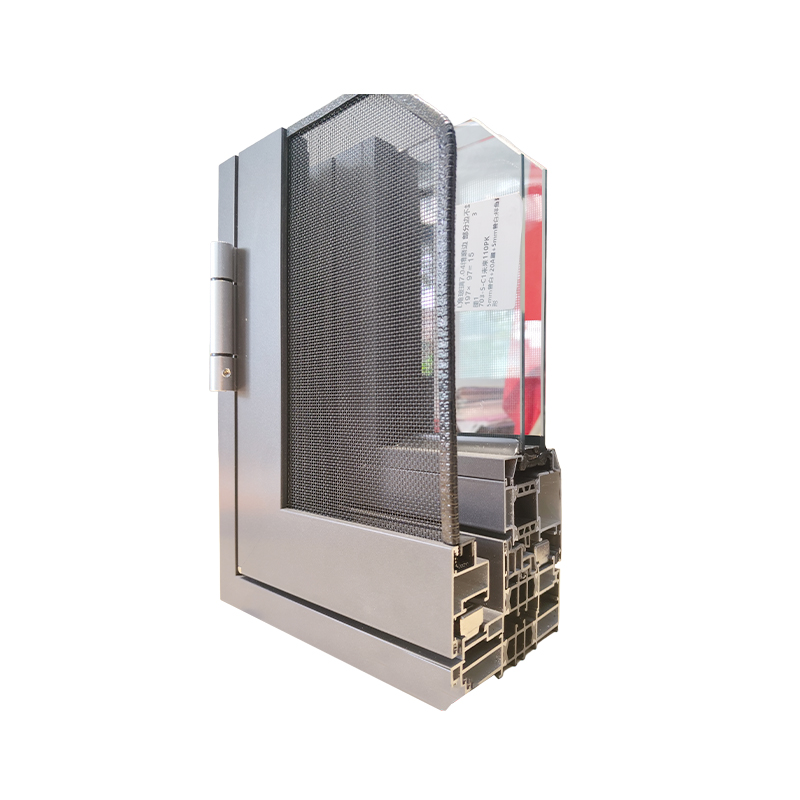
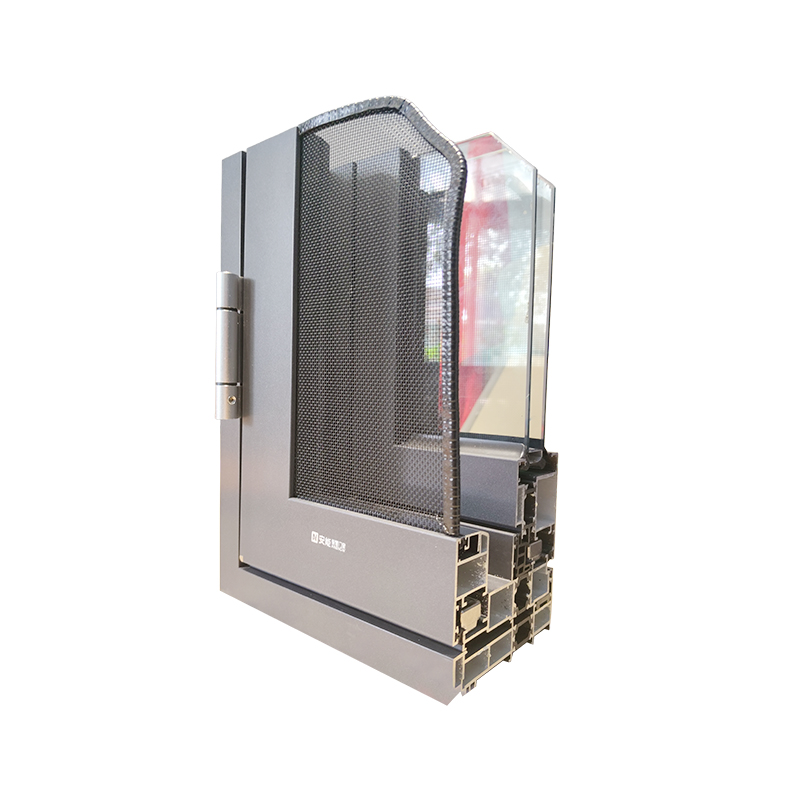
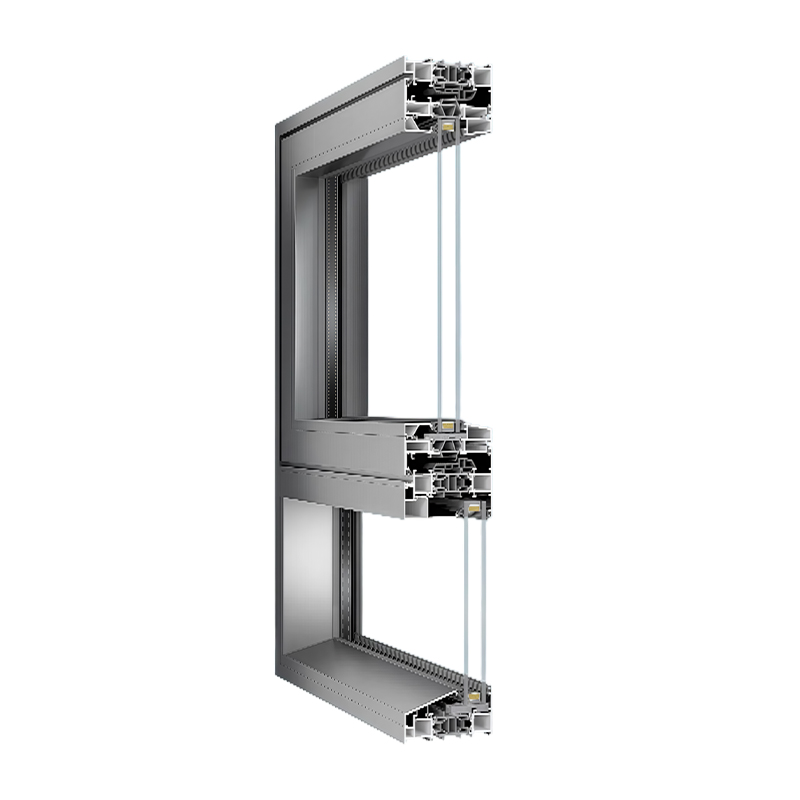
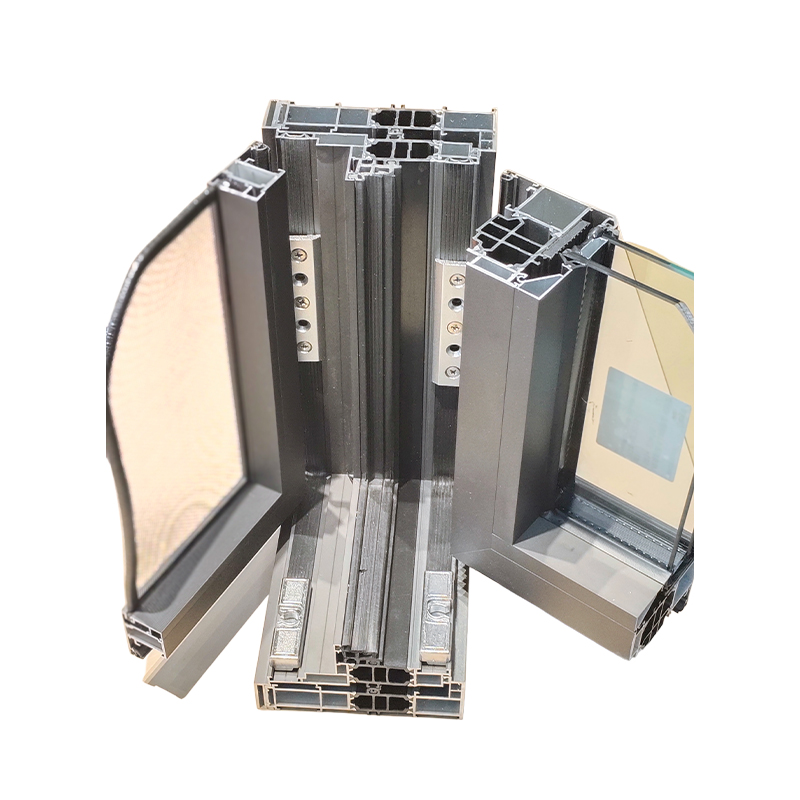
As high-end architectural window and door products, ceramic electrophoretic coating casement windows are widely used in various climate zones. Under extreme temperature conditions, the thermal expansion and contraction effect of the material poses a severe test to the bonding stability between the coating and the substrate. From the frigid northern regions to the hot southern areas, from the high-altitude plateaus with large diurnal temperature variations to the temperate zones with distinct seasons, the integrity of the ceramic electrophoretic coating directly affects the lifespan and aesthetics of the window.
1. Material Characteristics of Ceramic Electrophoretic Coating
The core advantage of ceramic electrophoretic coating casement windows lies in their inorganic ceramic composition. Unlike traditional organic coatings, ceramic coatings have a lower coefficient of thermal expansion, closer to that of aluminum alloy substrates. This characteristic results in smaller deformation differences between the coating and the substrate when temperatures change, reducing the risk of cracking due to thermal stress. Simultaneously, ceramic materials have a wide temperature range, capable of withstanding temperatures from -50℃ to 200℃ without performance degradation.
2. Compatibility between Aluminum Alloy Substrate and Coating
Ceramic electrophoretic coating casement windows utilize an electric field to uniformly deposit ceramic particles onto the aluminum alloy surface, forming a dense bonding layer. This bonding involves not only physical adhesion but also chemical bonding components, creating an integrated structure between the coating and the substrate. During thermal expansion and contraction, the coating deforms synchronously with the substrate, avoiding stress concentration. The electrophoretic process also allows for precise control of the film thickness, typically between 20-40 micrometers. Excessively thick coatings are prone to cracking under temperature differences, while excessively thin coatings provide insufficient protection. A suitable film thickness design is crucial for adapting to temperature variations.
3. Specific Challenges of Extreme Temperature Environments
Extreme temperature environments pose multiple challenges to casement windows. At high temperatures, the aluminum alloy expands significantly, requiring the coating to possess sufficient flexibility to follow the substrate's deformation; otherwise, tensile cracks may occur. At low temperatures, the material contracts, requiring the coating to maintain adhesion and prevent detachment. Sudden temperature changes are the most severe, such as in high-altitude regions where diurnal temperature variations can exceed 30°C; frequent thermal cycling accelerates material fatigue. Ceramic electrophoretic coatings form a network structure through cross-linking and curing, possessing both hardness and toughness, effectively addressing these challenges.
4. Coating Adhesion Stability Test
To verify thermal expansion and contraction adaptability, ceramic electrophoretic coatings undergo several rigorous tests. The thermal cycling test cycles samples hundreds of times between -40℃ and 80℃, observing for blistering, peeling, or cracking. The thermal shock test rapidly immerses samples from a high-temperature environment to a low-temperature environment, testing the coating's impact resistance. Adhesion tests employ the cross-cut test or pull-out test to ensure the coating's bond strength with the substrate meets standards. Ceramic electrophoretic coatings that pass the tests maintain stability for over ten years under extreme temperature variations.
The excellent thermal expansion and contraction adaptability of ceramic electrophoretic coating casement windows under extreme temperature environments is attributed to the low coefficient of thermal expansion of ceramic materials, good compatibility with aluminum alloy substrates, and the dense bonding layer formed by the electrophoretic process. Through scientific material selection, process control, and rigorous quality testing, ceramic electrophoretic coatings maintain stable performance within a temperature range of -50℃ to 200℃, meeting the application requirements of various extreme climate regions. For building projects with drastic temperature variations, ceramic electrophoretic coating casement windows are a high-performance option that should be given priority consideration.
1. Material Characteristics of Ceramic Electrophoretic Coating
The core advantage of ceramic electrophoretic coating casement windows lies in their inorganic ceramic composition. Unlike traditional organic coatings, ceramic coatings have a lower coefficient of thermal expansion, closer to that of aluminum alloy substrates. This characteristic results in smaller deformation differences between the coating and the substrate when temperatures change, reducing the risk of cracking due to thermal stress. Simultaneously, ceramic materials have a wide temperature range, capable of withstanding temperatures from -50℃ to 200℃ without performance degradation.
2. Compatibility between Aluminum Alloy Substrate and Coating
Ceramic electrophoretic coating casement windows utilize an electric field to uniformly deposit ceramic particles onto the aluminum alloy surface, forming a dense bonding layer. This bonding involves not only physical adhesion but also chemical bonding components, creating an integrated structure between the coating and the substrate. During thermal expansion and contraction, the coating deforms synchronously with the substrate, avoiding stress concentration. The electrophoretic process also allows for precise control of the film thickness, typically between 20-40 micrometers. Excessively thick coatings are prone to cracking under temperature differences, while excessively thin coatings provide insufficient protection. A suitable film thickness design is crucial for adapting to temperature variations.
3. Specific Challenges of Extreme Temperature Environments
Extreme temperature environments pose multiple challenges to casement windows. At high temperatures, the aluminum alloy expands significantly, requiring the coating to possess sufficient flexibility to follow the substrate's deformation; otherwise, tensile cracks may occur. At low temperatures, the material contracts, requiring the coating to maintain adhesion and prevent detachment. Sudden temperature changes are the most severe, such as in high-altitude regions where diurnal temperature variations can exceed 30°C; frequent thermal cycling accelerates material fatigue. Ceramic electrophoretic coatings form a network structure through cross-linking and curing, possessing both hardness and toughness, effectively addressing these challenges.
4. Coating Adhesion Stability Test
To verify thermal expansion and contraction adaptability, ceramic electrophoretic coatings undergo several rigorous tests. The thermal cycling test cycles samples hundreds of times between -40℃ and 80℃, observing for blistering, peeling, or cracking. The thermal shock test rapidly immerses samples from a high-temperature environment to a low-temperature environment, testing the coating's impact resistance. Adhesion tests employ the cross-cut test or pull-out test to ensure the coating's bond strength with the substrate meets standards. Ceramic electrophoretic coatings that pass the tests maintain stability for over ten years under extreme temperature variations.
The excellent thermal expansion and contraction adaptability of ceramic electrophoretic coating casement windows under extreme temperature environments is attributed to the low coefficient of thermal expansion of ceramic materials, good compatibility with aluminum alloy substrates, and the dense bonding layer formed by the electrophoretic process. Through scientific material selection, process control, and rigorous quality testing, ceramic electrophoretic coatings maintain stable performance within a temperature range of -50℃ to 200℃, meeting the application requirements of various extreme climate regions. For building projects with drastic temperature variations, ceramic electrophoretic coating casement windows are a high-performance option that should be given priority consideration.