


How can the thermal insulation strip performance be optimized in the structural design of a broken bridge casement window to improve its thermal insulation effect?
Release Time : 2026-01-27
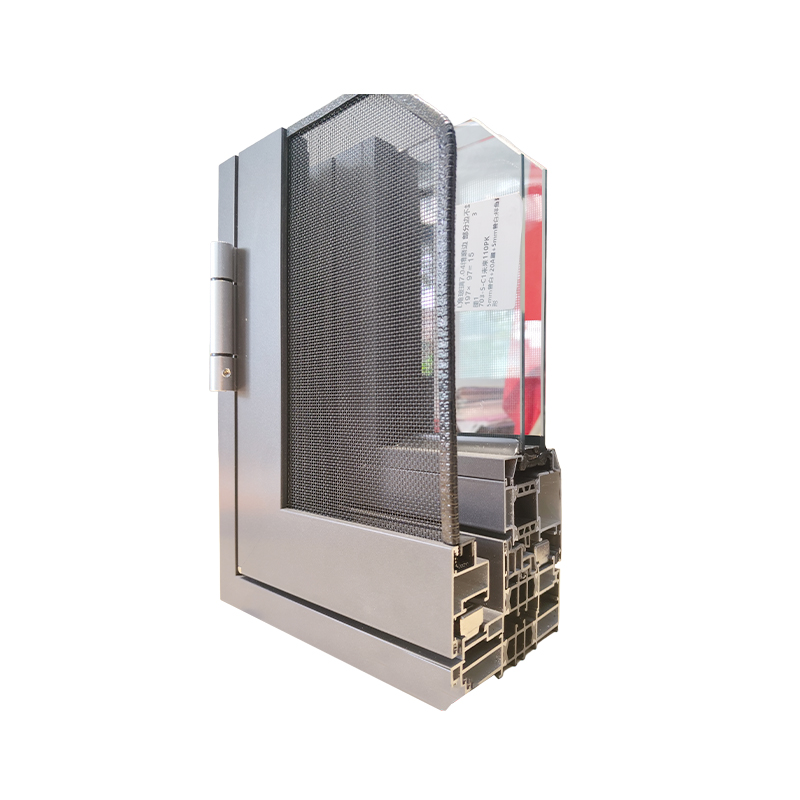
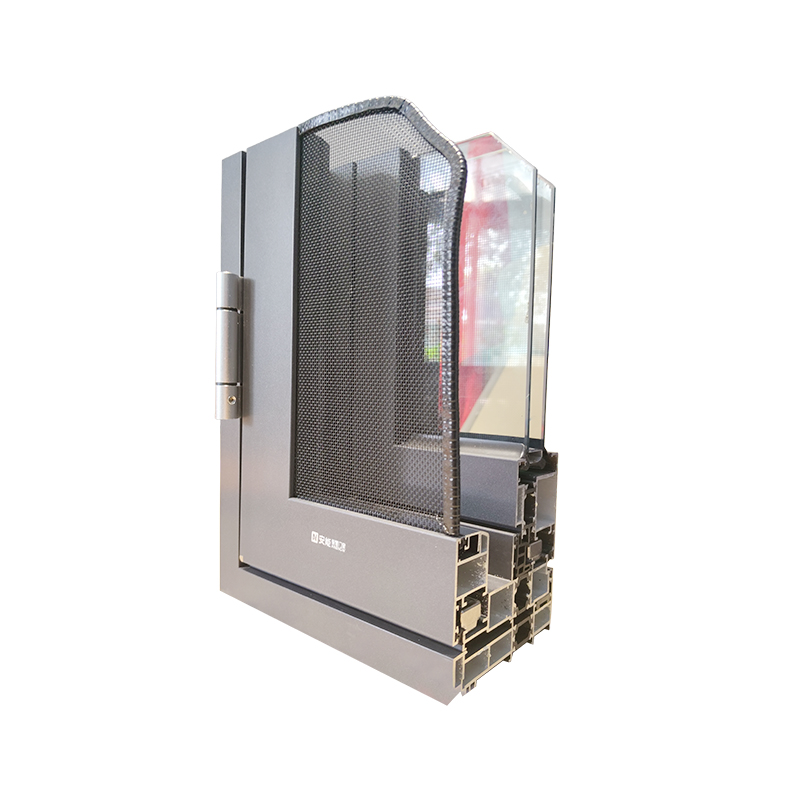
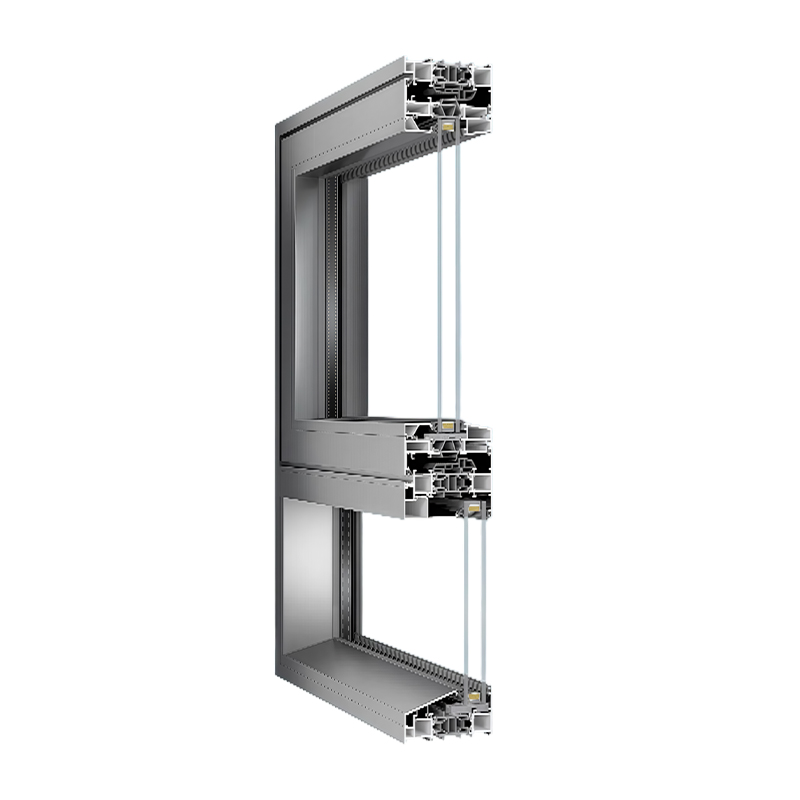
The core of a broken bridge casement window's thermal insulation performance lies in the design and application of the thermal break strip. As a key component that blocks heat conduction through the aluminum alloy profile, it requires structural optimization to achieve a dual improvement in thermal insulation efficiency and structural stability. Traditional aluminum alloy windows, due to the high thermal conductivity of metal, are prone to forming "cold and thermal bridges," leading to heat loss in winter and heat intrusion in summer. Broken bridge casement windows, by breaking the aluminum alloy profile and reconnecting it with the thermal break strip, completely disrupt the heat conduction path, addressing the thermal insulation problem at its root. The choice of material and structural design of the thermal break strip directly affects the upper limit of the window's overall thermal insulation performance.
The width of the thermal break strip is a core parameter determining the insulation effect. Conventional thermal break strips are mostly between 24-30mm wide, while high-performance broken bridge casement windows generally use ultra-wide thermal break strips of 54mm or more. Their heat conduction path length is more than twice that of ordinary thermal break strips, significantly reducing the overall window's heat transfer coefficient. Extra-wide thermal break strips extend the heat transfer path, reducing energy loss caused by indoor-outdoor temperature differences. In extremely cold or hot environments, indoor temperature fluctuations can be reduced by 3-5℃, significantly reducing energy consumption for air conditioning and heating equipment. Furthermore, extra-wide thermal break strips require matching multi-cavity aluminum profiles to form an internal reinforcing network, enhancing wind pressure resistance and enabling them to withstand category 12 typhoons. This also avoids weak load-bearing points in the hardware due to insufficient profile cavity space, ensuring long-term use without deformation.
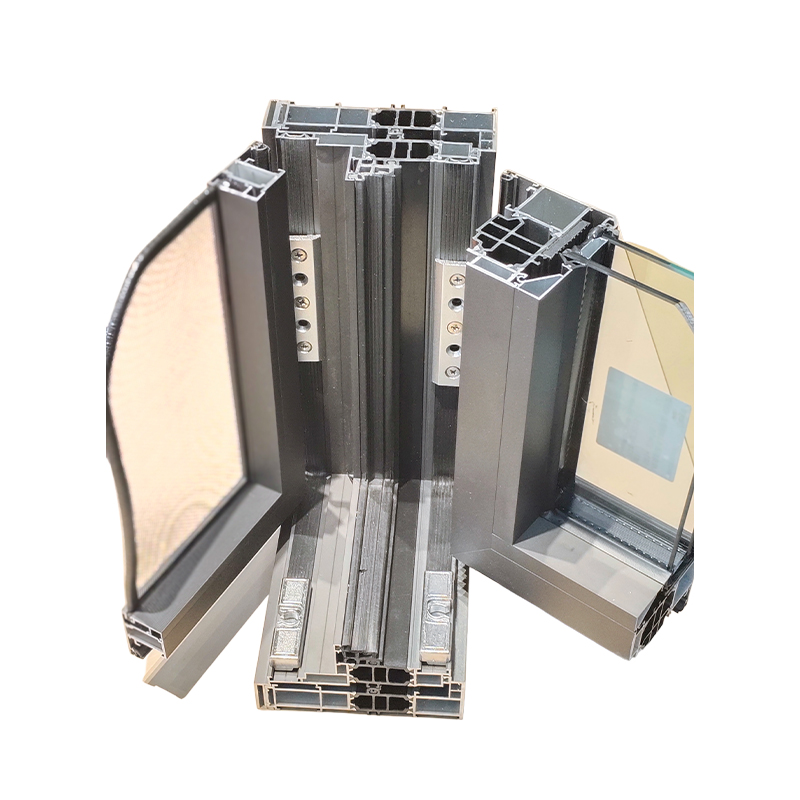
The cavity structure design of the thermal break strip is key to improving thermal insulation performance. Multi-cavity thermal break strips, through multiple independent internal chambers, form layers of heat-blocking barriers, offering superior insulation compared to C-shaped or I-shaped thermal break strips. The multi-cavity structure effectively disperses wind pressure stress, reducing structural deformation caused by thermal expansion and contraction, while also improving sound insulation performance. Combined with double-glazed windows, it can achieve 35-40 decibels of sound insulation, filtering low-frequency traffic noise. Some high-end products employ a vertical isotherm design, forming a straight thermal bridge barrier between the frame and sash, further reducing energy consumption, preventing cold air loss, and achieving a balance between energy conservation, environmental protection, and comfortable living.
The compatibility between the thermal break strip and the profile directly affects the thermal insulation effect and structural stability. Extra-wide thermal break strips require wider profile cavities to accommodate thicker glass (such as triple-glazed, two-cavity configurations) and allow sufficient installation space for multiple sealing strips. This design not only improves thermal insulation performance but also enhances the sealing and water tightness of broken bridge casement windows, preventing rainwater leakage. Simultaneously, the connection between the wide thermal break strip and the profile requires precision processes, such as glued corner bracket technology, which strengthens the corners by filling with sealant, preventing heat conduction due to gaps in the joints, and ensuring the long-term stability of the entire window performance.
The choice of thermal break strip material is fundamental to ensuring thermal insulation performance. High-quality thermal break strips are made of PA66 nylon composite with 25% glass fiber (PA66GF25), featuring high strength, low thermal conductivity, and aging resistance. Their surface is usually laser-coded with the material composition for easy consumer identification. Inferior products may use PVC instead of PA66, but PVC is flammable and has high thermal conductivity, resulting in poor insulation. Long-term use can lead to deformation and cracking, affecting the overall window performance. Therefore, when choosing thermal break strips, it is essential to check the material markings and reject non-standard products.
The installation process of the thermal break strip is crucial for ensuring effective insulation. The connection between the thermal break strip and the aluminum alloy profile must be tight and seamless to avoid thermal bridging due to improper installation. Some high-end products use a concealed drainage structure, diverting rainwater to the outside through internal channels in the thermal break strip, maintaining a clean appearance and avoiding the airtightness issues associated with traditional drainage holes. Furthermore, the fit between the thermal break strip and the glass retaining strip must be precise to ensure stable glass installation and reduce increased heat conduction due to vibration.
Optimization of the thermal break strip needs to be coordinated with the design of the broken bridge casement window system. The thermal insulation performance of broken bridge casement windows depends not only on the thermal break strip itself, but also on its performance in conjunction with glass components, sealing strips, and hardware systems to form a closed-loop system. For example, using low-emissivity (Low-E) glass can further reduce heat transfer, while multiple sealing strips can block air convection and improve airtightness. The selection of hardware systems must also consider compatibility with the thermal break strip to ensure smooth window opening and closing and stable load-bearing capacity, avoiding uneven stress on the thermal break strip due to hardware deformation, which would affect the overall window performance. Through systematic design, broken bridge casement windows can achieve comprehensive improvements in thermal insulation, sound insulation, waterproofing, and wind pressure resistance, providing a constant temperature, quiet, and safe comfortable environment for living spaces.