


Can tilt-and-turn windows truly achieve energy efficiency, quiet operation, and safety in extreme climates?
Release Time : 2026-01-22
In contemporary architecture, where demands for comfort, energy efficiency, and durability are ever-increasing, windows have evolved from simple light- and ventilation openings into one of the most technologically integrated functional units in the building envelope. Tilt-and-turn windows—high-performance system windows integrating inward opening, tilt-and-turn, and micro-ventilation modes—are redefining the boundaries of the living environment with their precise construction and multiple composite technologies. They must not only withstand strong winds and heavy rain but also isolate noise; they must not only block heat and cold conduction but also ensure convenience and safety in daily use. These seemingly contradictory multiple goals are harmoniously unified through a series of detailed design details.
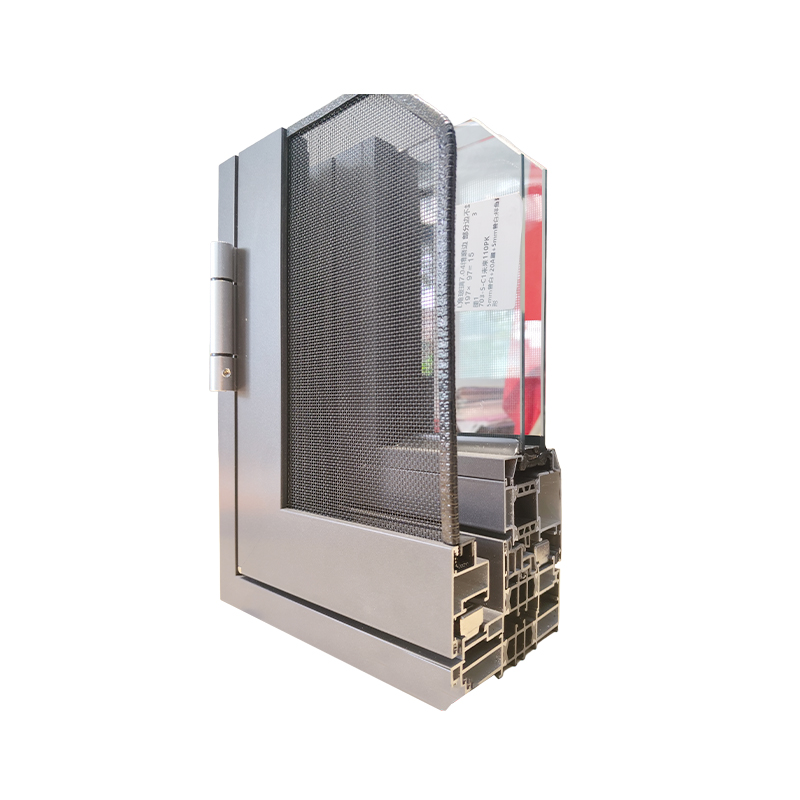
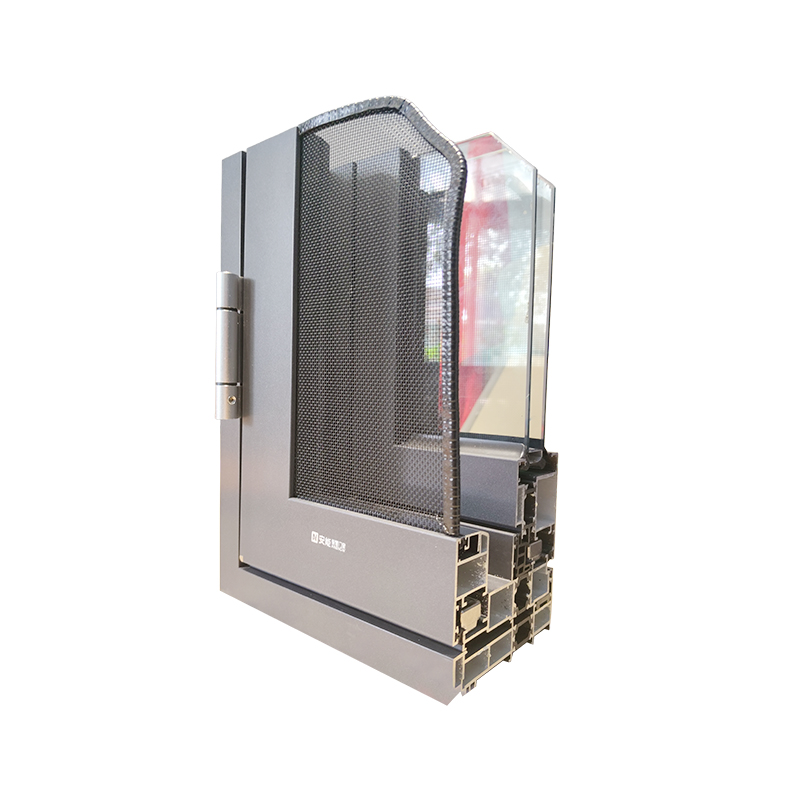
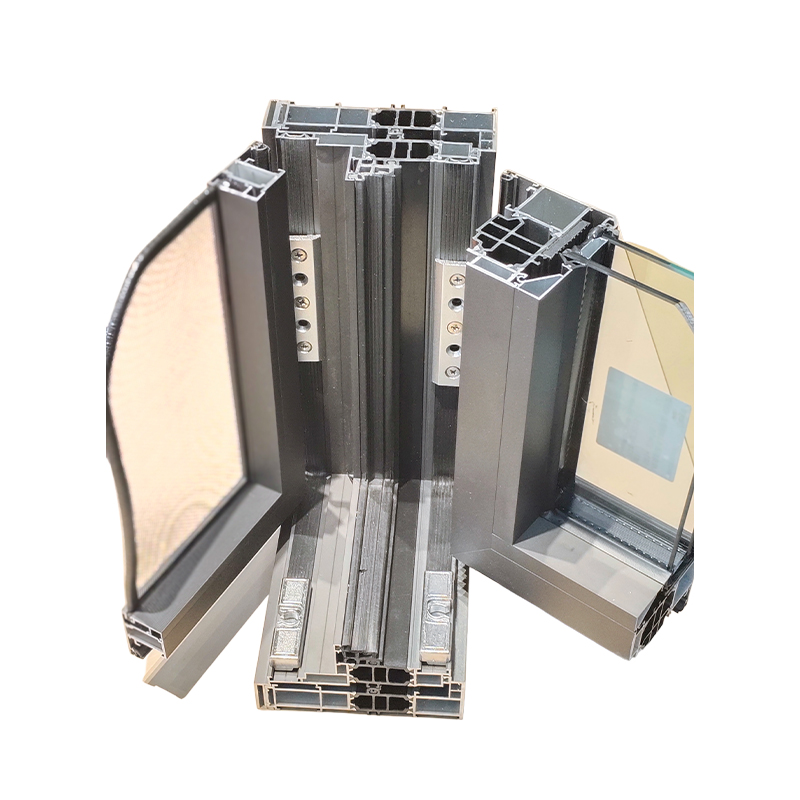
The structural reliability of tilt-and-turn windows stems first and foremost from the solid foundation of the frame itself. A load-bearing wall thickness of 3.0 mm ensures that the window frame will not deform or twist under long-term use or strong wind loads, providing rigid support for the overall sealing performance of the window. The surface features a weather-resistant metallic powder coating, giving the window a delicate texture and rich colors, while effectively resisting UV rays, acid rain, and salt spray corrosion, maintaining its pristine condition in coastal or industrial areas. The outer frame and window sash utilize a two-component adhesive injection process at the corners and cross-sections, forming a seamless, integrated structural seal, significantly superior to traditional mechanical corner bracket connections, fundamentally eliminating the risk of water leakage.
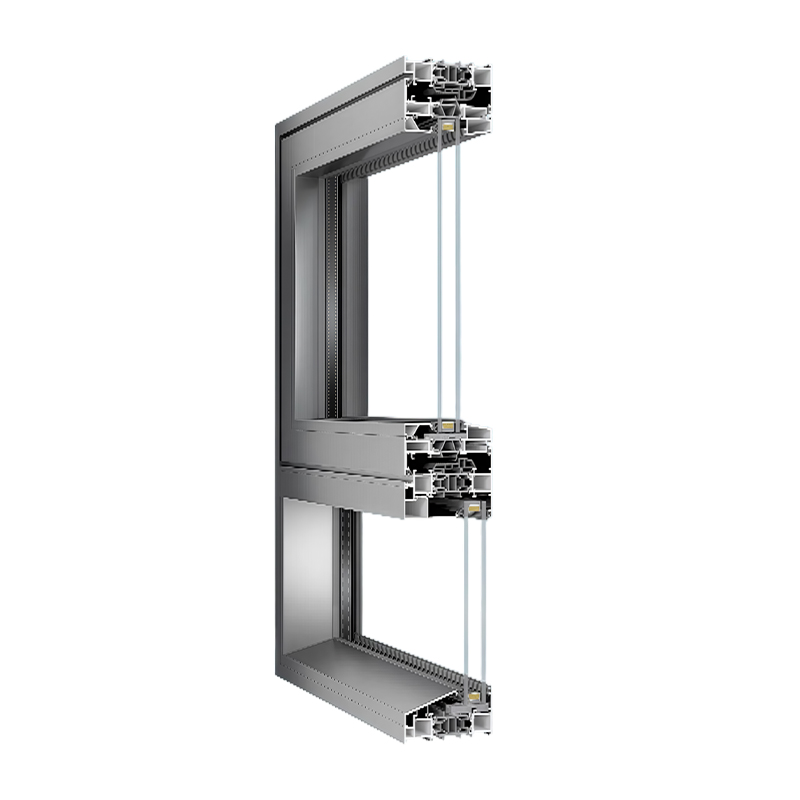
Regarding energy conservation and comfort, the vertical isothermal integrated design is a core highlight. AIVIS PA66-GF25 insulation strips create a continuous thermal break, effectively blocking the heat conduction path between the inner and outer sides of the aluminum profile, preventing condensation on the inner surface in winter and heat intrusion in summer. Combined with 5+20A+5mm double-layer tempered insulating glass and built-in curved aluminum spacers, the entire window forms multiple airtight and thermal barriers, significantly reducing energy loss. Whether in the frigid north or the humid south, indoor temperature fluctuations are effectively buffered, reducing the air conditioning load and truly achieving a passive energy-saving effect of "warm in winter and cool in summer."
Facing the challenges of wind and rain, tilt-and-turn windows offer dual protection through intelligent drainage and enhanced wind pressure resistance. The integrated drain system at the bottom of the window frame features automatic opening and closing, allowing rainwater to drain quickly and automatically closing in sunny weather to prevent insects or cold drafts from entering. Simultaneously, the optional fixed-close square pressure curve works in conjunction with the standard window frame pressure curve to enhance the tightness of the window sash against the frame during strong winds, significantly improving wind pressure resistance and ensuring safety in high-rise buildings or typhoon-prone areas.
In daily use, thoughtful details demonstrate care throughout. The tilt-and-turn opening mode supports micro-slit ventilation, allowing air exchange without water ingress even on rainy days; the standard metal R-shaped corner protectors not only enhance the structural strength of the screen but also provide a smooth, scratch-resistant finish, ensuring safe operation for children and the elderly. The overall window has excellent airtightness, effectively blocking street noise, dust, and pollen, creating a quiet and clean indoor environment.
Ultimately, the value of an excellent tilt-and-turn window lies not in the outstanding performance of any single parameter, but in the invisible protective net woven from structure, energy efficiency, sound insulation, drainage, and safety. It stands silently on the building facade, enduring the test of nature day after day, yet consistently safeguarding the peace and comfort within. When wind and rain rage outside while the interior remains warm and cozy, when the city's hustle and bustle is kept at bay by the glass, that is the window's most powerful, silent promise. Because in the construction of ideal living spaces, true quality lies not in ostentatious appearances, but in every unseen detail—rock-solid, serene, and enduringly reliable.
The structural reliability of tilt-and-turn windows stems first and foremost from the solid foundation of the frame itself. A load-bearing wall thickness of 3.0 mm ensures that the window frame will not deform or twist under long-term use or strong wind loads, providing rigid support for the overall sealing performance of the window. The surface features a weather-resistant metallic powder coating, giving the window a delicate texture and rich colors, while effectively resisting UV rays, acid rain, and salt spray corrosion, maintaining its pristine condition in coastal or industrial areas. The outer frame and window sash utilize a two-component adhesive injection process at the corners and cross-sections, forming a seamless, integrated structural seal, significantly superior to traditional mechanical corner bracket connections, fundamentally eliminating the risk of water leakage.
Regarding energy conservation and comfort, the vertical isothermal integrated design is a core highlight. AIVIS PA66-GF25 insulation strips create a continuous thermal break, effectively blocking the heat conduction path between the inner and outer sides of the aluminum profile, preventing condensation on the inner surface in winter and heat intrusion in summer. Combined with 5+20A+5mm double-layer tempered insulating glass and built-in curved aluminum spacers, the entire window forms multiple airtight and thermal barriers, significantly reducing energy loss. Whether in the frigid north or the humid south, indoor temperature fluctuations are effectively buffered, reducing the air conditioning load and truly achieving a passive energy-saving effect of "warm in winter and cool in summer."
Facing the challenges of wind and rain, tilt-and-turn windows offer dual protection through intelligent drainage and enhanced wind pressure resistance. The integrated drain system at the bottom of the window frame features automatic opening and closing, allowing rainwater to drain quickly and automatically closing in sunny weather to prevent insects or cold drafts from entering. Simultaneously, the optional fixed-close square pressure curve works in conjunction with the standard window frame pressure curve to enhance the tightness of the window sash against the frame during strong winds, significantly improving wind pressure resistance and ensuring safety in high-rise buildings or typhoon-prone areas.
In daily use, thoughtful details demonstrate care throughout. The tilt-and-turn opening mode supports micro-slit ventilation, allowing air exchange without water ingress even on rainy days; the standard metal R-shaped corner protectors not only enhance the structural strength of the screen but also provide a smooth, scratch-resistant finish, ensuring safe operation for children and the elderly. The overall window has excellent airtightness, effectively blocking street noise, dust, and pollen, creating a quiet and clean indoor environment.
Ultimately, the value of an excellent tilt-and-turn window lies not in the outstanding performance of any single parameter, but in the invisible protective net woven from structure, energy efficiency, sound insulation, drainage, and safety. It stands silently on the building facade, enduring the test of nature day after day, yet consistently safeguarding the peace and comfort within. When wind and rain rage outside while the interior remains warm and cozy, when the city's hustle and bustle is kept at bay by the glass, that is the window's most powerful, silent promise. Because in the construction of ideal living spaces, true quality lies not in ostentatious appearances, but in every unseen detail—rock-solid, serene, and enduringly reliable.