


How do ceramic electrophoretic coating casement windows maintain structural stability in high humidity environments?
Release Time : 2026-03-05
In coastal areas, rainy southern cities, and high-humidity environments, window and door products are constantly affected by moisture, humid air, and temperature fluctuations. If the materials and surface treatment processes are not stable enough, problems such as corrosion, discoloration, or deterioration of structural performance can easily occur. Ceramic electrophoretic coating casement windows, with their advanced surface treatment technology and stable material structure, can maintain good appearance and structural performance even in high humidity environments, providing a reliable window and door solution for modern buildings.
1. Ceramic Electrophoretic Coating Forms a Dense Protective Layer
Ceramic electrophoretic coating casement windows utilize electrophoretic deposition technology to form a uniform coating on a metal surface. During production, the metal profile is immersed in an electrophoretic solution containing ceramic particles. Under the influence of an electric field, the coating is uniformly deposited and firmly adheres to the profile surface. After curing, a dense, uniform, and strongly adhesive protective layer is formed on the surface. This protective layer effectively blocks moisture and oxygen from the air, thereby reducing direct contact between the metal and the external environment. 1. In high-humidity environments, ordinary metal surfaces are prone to oxidation or corrosion, while ceramic electrophoretic coatings provide a stable protective barrier, ensuring the window frame maintains a good surface condition for a long time.
2. Excellent Corrosion Resistance Extends Service Life
High-humidity environments are often accompanied by salt spray, acidic gases, or industrial pollution, all of which accelerate the corrosion of metal materials. Ceramic electrophoretic coatings contain ceramic particles with excellent corrosion resistance, giving the coating not only good hardness but also strong resistance to chemical corrosion. In long-term humid environments, this coating effectively resists moisture penetration, preventing rust, blistering, or peeling from the profile surface. Simultaneously, the stable structure of the ceramic coating allows it to maintain firm adhesion even under changes in temperature and humidity, thus extending the overall service life of the casement window.
3. Stable Profile Structure Ensures Door and Window Strength
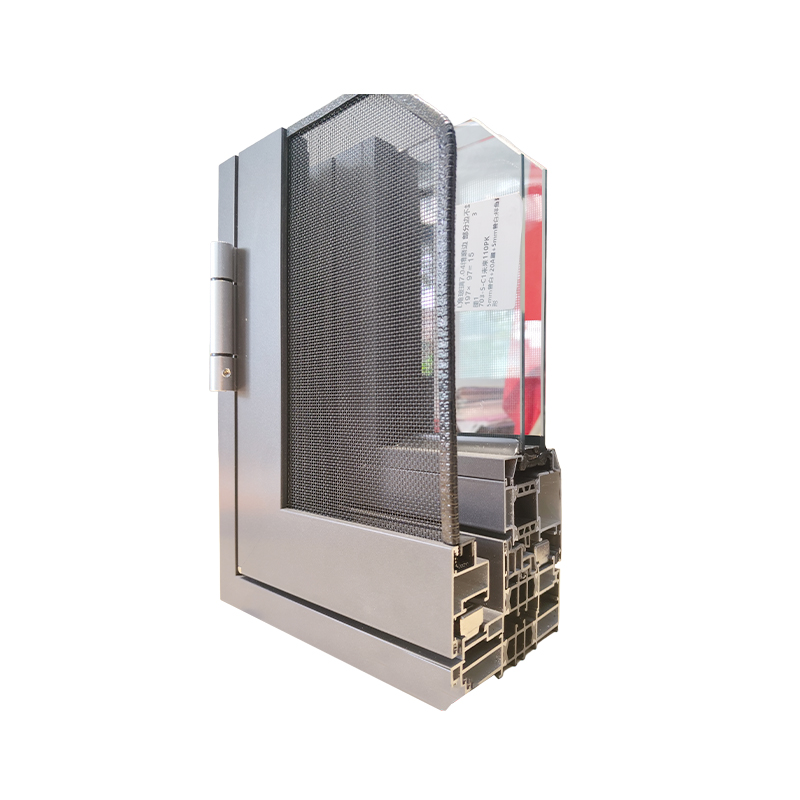
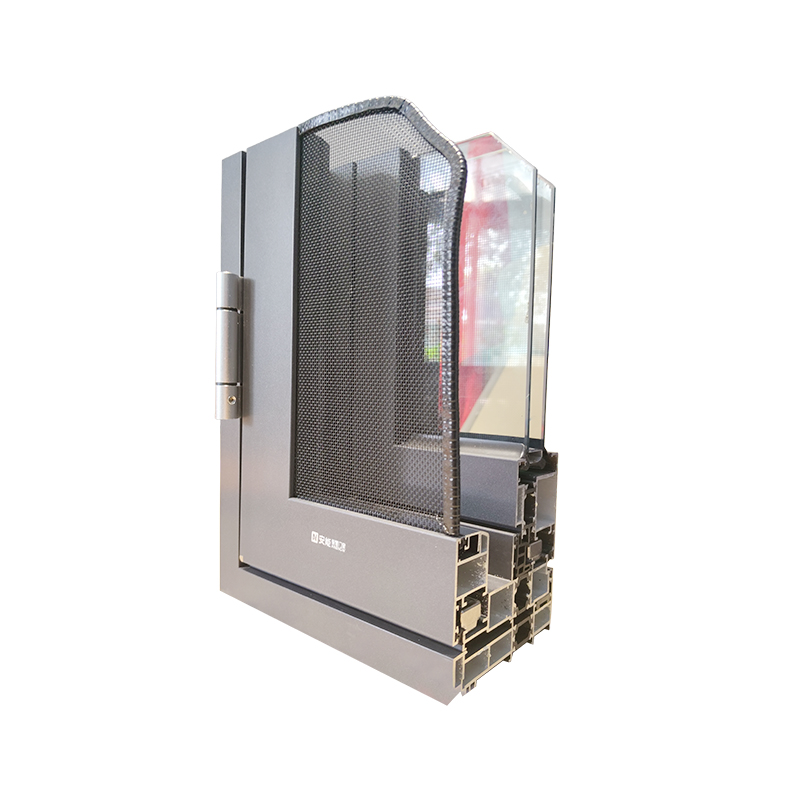
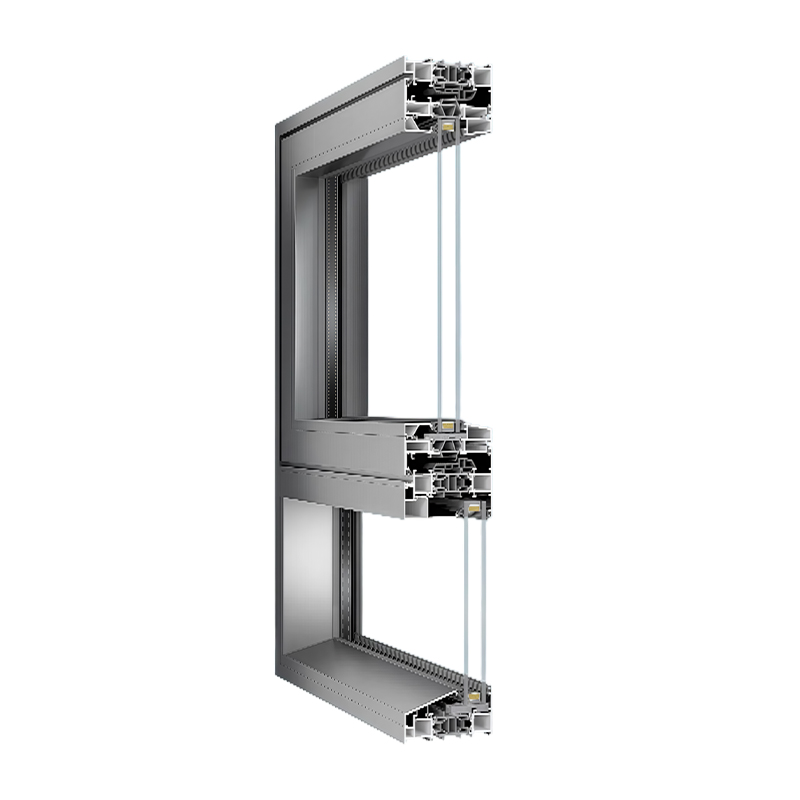
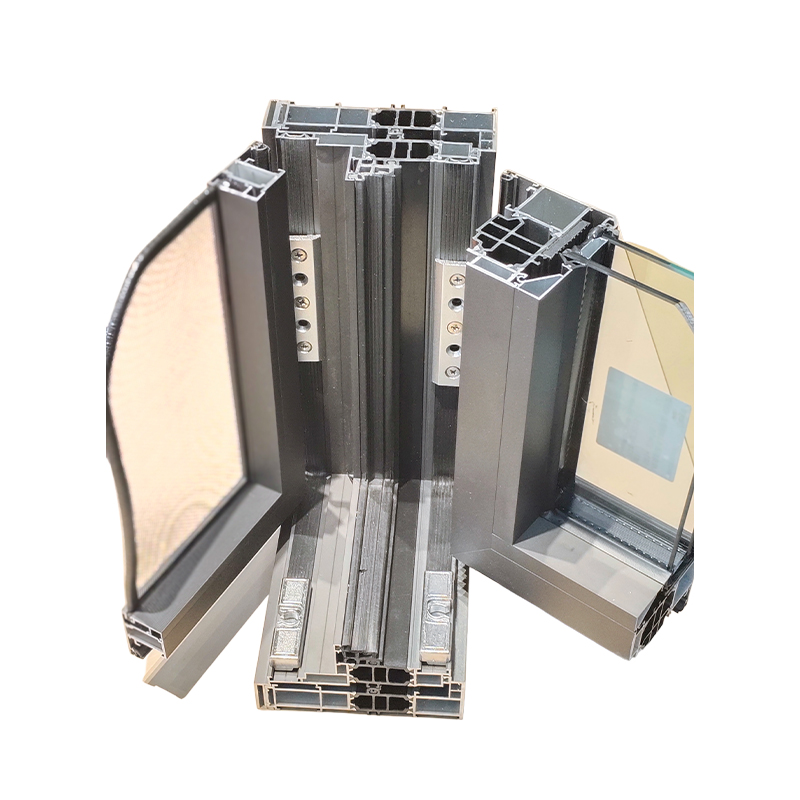
In addition to the protection of the surface coating, the profile structure of the ceramic electrophoretic coating casement window itself also affects its stability. High-quality door and window products typically use high-strength aluminum alloy or other stable metal materials as the main structure, which have good resistance to deformation and mechanical strength. In high-humidity environments, some materials are prone to deformation due to moisture absorption or thermal expansion and contraction, while metal profiles, with proper structural design, can maintain good dimensional stability. Combined with the protection of a ceramic electrophoretic coating, this ensures that doors and windows remain structurally stable over long-term use, preventing loosening or deformation.
4. Excellent Sealing Design Prevents Moisture Intrusion
Case windows are typically designed with multiple sealing structures, such as sealing strips, sealing grooves, and a well-designed drainage system. These designs effectively reduce the entry of rainwater and moisture into the window frame, thus protecting the internal structure and hardware. In high-humidity environments, the sealing system reduces moisture accumulation inside the window frame, lowering the risk of corrosion to metal components. Simultaneously, a good drainage design allows rainwater to drain away promptly, keeping the window dry and further enhancing overall stability.
5. Balancing Durability and Aesthetics
The ceramic electrophoretic coating not only provides excellent protection but also gives doors and windows a smooth and uniform surface texture. The coating color is stable and does not easily fade or discolor, maintaining a good appearance even in long-term humid environments. This technology allows doors and windows to enhance the overall visual quality of a building while maintaining durability.
In summary, ceramic electrophoretic coating casement windows, through advanced surface treatment technology, stable profile structure, and comprehensive sealing design, maintain excellent structural stability and durability even in high humidity environments. As a result, these types of doors and windows are increasingly widely used in modern buildings, providing users with a more reliable and long-lasting user experience.
1. Ceramic Electrophoretic Coating Forms a Dense Protective Layer
Ceramic electrophoretic coating casement windows utilize electrophoretic deposition technology to form a uniform coating on a metal surface. During production, the metal profile is immersed in an electrophoretic solution containing ceramic particles. Under the influence of an electric field, the coating is uniformly deposited and firmly adheres to the profile surface. After curing, a dense, uniform, and strongly adhesive protective layer is formed on the surface. This protective layer effectively blocks moisture and oxygen from the air, thereby reducing direct contact between the metal and the external environment. 1. In high-humidity environments, ordinary metal surfaces are prone to oxidation or corrosion, while ceramic electrophoretic coatings provide a stable protective barrier, ensuring the window frame maintains a good surface condition for a long time.
2. Excellent Corrosion Resistance Extends Service Life
High-humidity environments are often accompanied by salt spray, acidic gases, or industrial pollution, all of which accelerate the corrosion of metal materials. Ceramic electrophoretic coatings contain ceramic particles with excellent corrosion resistance, giving the coating not only good hardness but also strong resistance to chemical corrosion. In long-term humid environments, this coating effectively resists moisture penetration, preventing rust, blistering, or peeling from the profile surface. Simultaneously, the stable structure of the ceramic coating allows it to maintain firm adhesion even under changes in temperature and humidity, thus extending the overall service life of the casement window.
3. Stable Profile Structure Ensures Door and Window Strength
In addition to the protection of the surface coating, the profile structure of the ceramic electrophoretic coating casement window itself also affects its stability. High-quality door and window products typically use high-strength aluminum alloy or other stable metal materials as the main structure, which have good resistance to deformation and mechanical strength. In high-humidity environments, some materials are prone to deformation due to moisture absorption or thermal expansion and contraction, while metal profiles, with proper structural design, can maintain good dimensional stability. Combined with the protection of a ceramic electrophoretic coating, this ensures that doors and windows remain structurally stable over long-term use, preventing loosening or deformation.
4. Excellent Sealing Design Prevents Moisture Intrusion
Case windows are typically designed with multiple sealing structures, such as sealing strips, sealing grooves, and a well-designed drainage system. These designs effectively reduce the entry of rainwater and moisture into the window frame, thus protecting the internal structure and hardware. In high-humidity environments, the sealing system reduces moisture accumulation inside the window frame, lowering the risk of corrosion to metal components. Simultaneously, a good drainage design allows rainwater to drain away promptly, keeping the window dry and further enhancing overall stability.
5. Balancing Durability and Aesthetics
The ceramic electrophoretic coating not only provides excellent protection but also gives doors and windows a smooth and uniform surface texture. The coating color is stable and does not easily fade or discolor, maintaining a good appearance even in long-term humid environments. This technology allows doors and windows to enhance the overall visual quality of a building while maintaining durability.
In summary, ceramic electrophoretic coating casement windows, through advanced surface treatment technology, stable profile structure, and comprehensive sealing design, maintain excellent structural stability and durability even in high humidity environments. As a result, these types of doors and windows are increasingly widely used in modern buildings, providing users with a more reliable and long-lasting user experience.