


How to ensure uniform gap between window sash and window frame during installation of anneng casement window?
Release Time : 2026-02-26
During the installation of anneng casement windows, ensuring uniform gaps between the window sash and frame is crucial for guaranteeing the window's sealing, aesthetics, and long-term performance. Achieving this requires comprehensive control from multiple dimensions, including accurate pre-installation measurements, standardized installation procedures, proper tool use, and meticulous attention to detail, forming a systematic installation process.
Pre-installation measurement and preparation are fundamental. Before installing the anneng casement window, the window opening dimensions must be thoroughly checked, including width, height, and diagonal length, to ensure the squareness of the opening meets design requirements. If there are deviations in the window opening, they must be corrected in advance by repairing or adjusting the installation reference surface to avoid window frame distortion after installation, which would affect the uniformity of the gap between the window sash and frame. Simultaneously, installation position lines must be marked on the window opening according to the window frame dimensions, clearly defining the upper, lower, left, and right boundaries of the window frame, providing a precise reference for subsequent fixing.
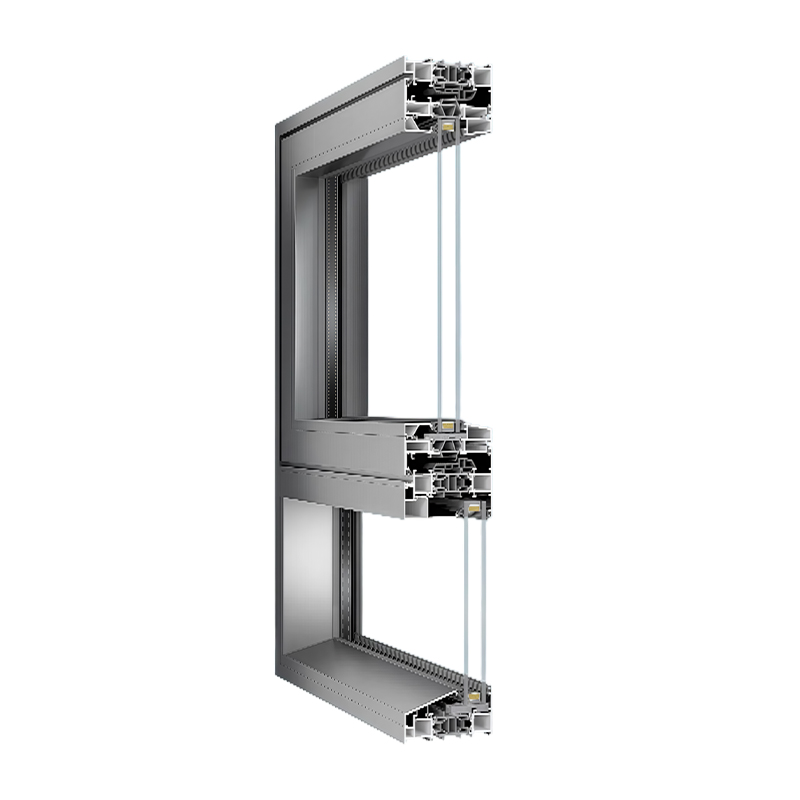
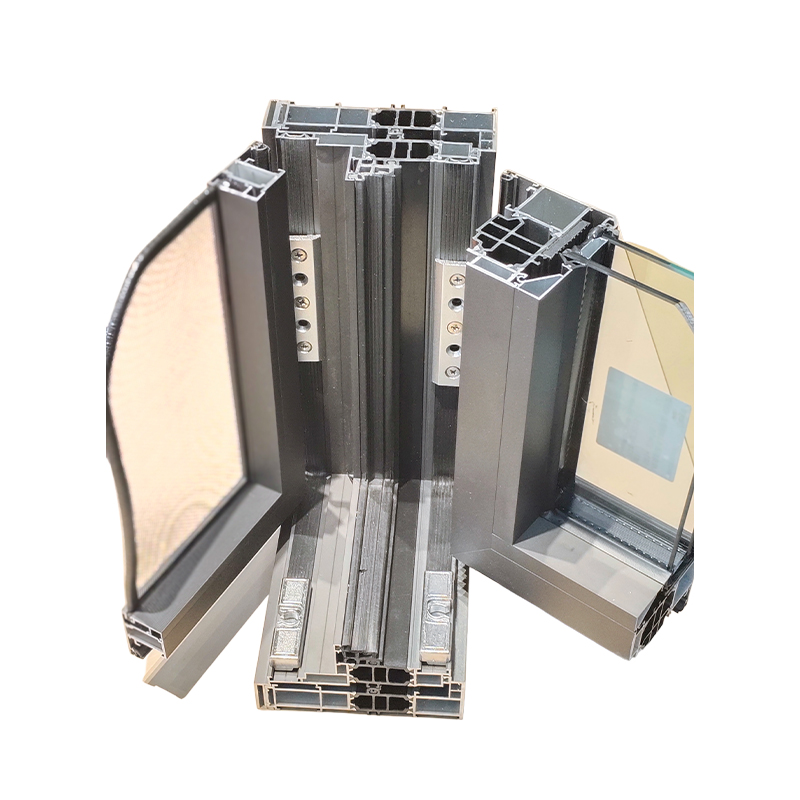
Fixing and leveling the window frame is the core step in ensuring uniform gaps. When installing an anneng casement window frame, specialized fasteners must be used to connect the frame to the window opening. The fasteners must be evenly spaced to avoid excessive localized stress that could cause frame deformation. During the fixing process, a level and plumb line must be used to continuously check the horizontal and vertical alignment of the window frame. Adjusting the position of the fasteners or adding/removing shims ensures that the gaps between the four sides of the window frame and the window opening are consistent. For example, if the gap at the top of the window frame is too large, shims can be added under the upper fasteners to lift the entire frame and reduce the gap; conversely, fewer shims can be added. This process requires repeated calibration until the horizontal and vertical alignment of the window frame meets the installation standards.
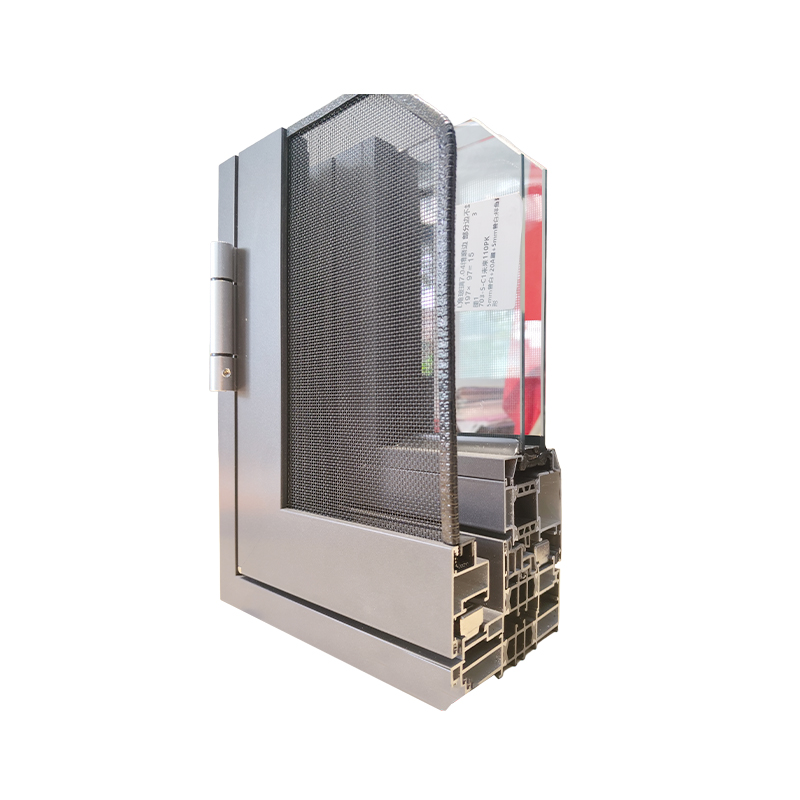
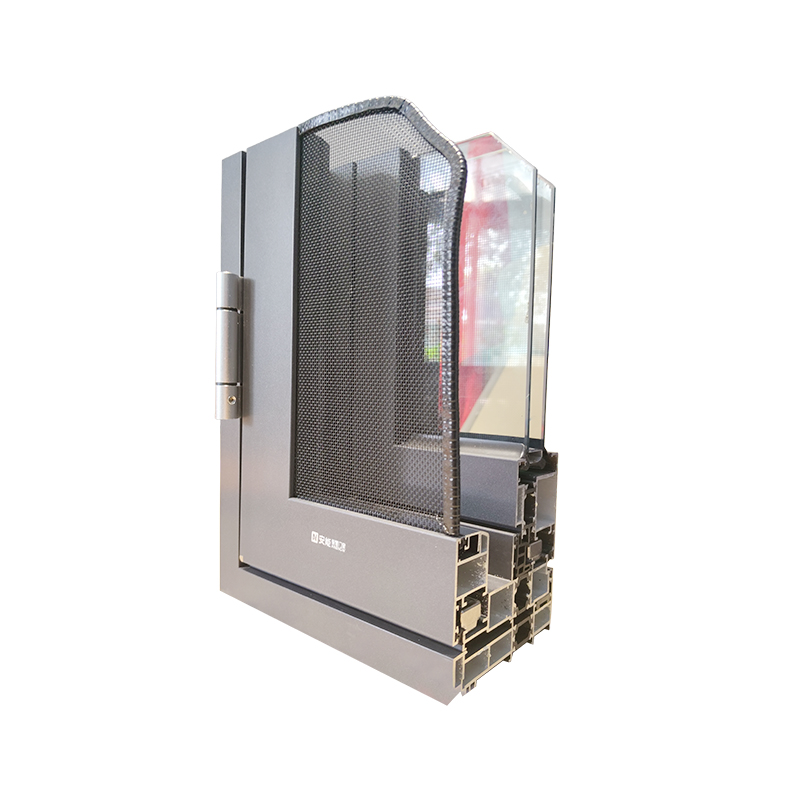
The installation and adjustment of the window sash must be closely coordinated with the window frame. When installing the anneng casement window sash, place it into the track in the window frame and initially adjust its position to ensure the gap between it and the frame is roughly uniform on all four sides. Subsequently, the smoothness of opening and closing the window sash must be carefully checked. If the window sash jams or wobbles during opening or closing, it may indicate uneven gaps or improper installation of the hardware. At this point, it's necessary to fine-tune the window sash's position or adjust the tightness of hardware (such as hinges and handles) to eliminate any jamming and ensure the window sash maintains a uniform gap with the window frame at any opening angle.
The installation of the sealing strip plays a crucial role in achieving uniform gaps. The sealing strip for an anneng casement window needs to be installed on the contact surface between the window frame and the window sash. Its function is to fill the gaps and prevent air and water leaks. During installation, ensure the strip is continuous, unbroken, and fits tightly and without wrinkles against the window frame and sash. Improper installation may result in excessively large or small gaps in certain areas, affecting the sealing effect. For example, if the strip is not properly cut at corners, it may accumulate and prevent the window sash from closing completely; if the strip is not firmly attached to the window frame, it may loosen and cause changes in the gap. Therefore, after installation, gently pull the strip by hand to check its firmness and use a special tool to press firmly at the corners to ensure a good seal.
Post-installation inspection and adjustment are the last line of defense for ensuring uniform gaps. After the anneng casement window is installed, the gap between the window sash and the frame must be thoroughly checked from both the interior and exterior sides, paying particular attention to the uniformity of the gaps at the four corners and the center. If uneven gaps are found, the specific locations must be marked and the causes analyzed. These could include loose frame fixing, sash deformation, or loose hardware. Targeted measures should be taken based on the cause, such as re-fixing the frame, correcting the sash, or adjusting the hardware, until the gap uniformity meets requirements.
Furthermore, the professional skills and experience of the installers are crucial for ensuring gap uniformity. A professional installation team must be familiar with the structural characteristics and installation specifications of anneng casement windows, and be able to flexibly adjust installation strategies according to site conditions to avoid gap problems caused by improper operation. Simultaneously, specialized tools such as levels, plumb lines, and feeler gauges should be used during installation to ensure installation accuracy through quantitative testing, reducing human error.
Ensuring uniform gaps between the window sash and frame during anneng casement window installation requires a multi-step process involving precise measurement, standardized fixing, meticulous adjustment, sealing treatment, and professional inspection. This process not only tests installation skills but also requires an extreme pursuit of detail. Only in this way can high-quality casement windows with excellent sealing, aesthetics, and durability be created, providing reliable protection and a comfortable experience for buildings.